


You’re a local business offering top-notch products or services, yet your website lingers on page two of Google while a lesser competitor thrives at the top. What’s the secret? It’s not luck, it’s strategy. And at the heart of that strategy is local SEO competitor analysis.
For any business aiming to dominate the local search results, especially in a competitive market, understanding what the competition is doing and how to do it better is key. Whether you’re working with an SEO company in India or seeking the best SEO company in Nagercoil, this blog will guide you on how to analyze your competition and gain a meaningful edge in your area.
In the world of local SEO, you’re not just competing with neighboring businesses. You’re also battling directories, review sites, and sometimes even e-commerce giants. Knowing who ranks where, why they rank, and how you can outrank them forms the core of a strong SEO game plan.
Offline competitors don’t always match your online ones. Use tools like Ahrefs, Semrush, or simply Google your primary keywords in incognito mode.
Look for:
These are the domains taking visibility (and traffic) from you.
Evaluate how competitors use keywords in:
Also, check for:
A well-optimized GBP often outranks poorly managed websites.
Analyze:
Use BrightLocal or GMBspy to evaluate GBP performance.
Citations confirm your business’s relevance to a location.
Check:
Citations still matter for local SEO ranking, especially if you’re working with the best SEO company in Nagercoil or India.
Links = authority. But local links = local authority.
Look for:
Use tools like Ahrefs or Moz to extract competitor backlink data.
Customer sentiment directly influences ranking and click-through rates.
Evaluate:
Monitor reviews on Google, Yelp, and industry-specific platforms.
Content still reigns supreme, especially when it’s hyperlocal.
Content to look for:
Find the gaps where your competitors aren’t publishing, and own those spaces.
| Task | Recommended Tools |
|---|---|
| Competitor Identification | Ahrefs, Semrush, Google Search |
| On-Page SEO Review | Screaming Frog, PageSpeed Insights |
| GBP Analysis | BrightLocal, GMBspy |
| Citation Tracking | Whitespark, BrightLocal |
| Backlink Audit | Ahrefs, Moz, Semrush |
| Review Monitoring | Google Reviews, Yelp, Grade.us |
| Content Gap Analysis | BuzzSumo, Ahrefs, SurferSEO |
If competitors ignore GBP posts or underutilize secondary categories, capitalize on that. Fill content voids they’ve left.
See what’s working for them and do it better. If they’re creating blogs about local news, create videos or add interviews for richer content.
Think beyond basic SEO. Highlight local stories, interview local personalities, and cover area-specific issues or tips. Become a community voice.
Build backlinks and buzz by collaborating with other local businesses, influencers, and organizations.
Example: A salon and a boutique co-host a fashion and wellness day with joint promos.
While not mandatory, hiring a professional SEO company in India can give you a structured and effective strategy, especially in competitive areas.
A quarterly review is recommended. But monthly checks help you stay agile and adapt quickly.
Neglecting GBP and not creating hyperlocal content. These are low-cost but high-impact strategies.
Competitor analysis is not about copying, it’s about understanding and outdoing. With the right approach and tools, you can uncover insights that help your business rise above the rest.
If you’re unsure where to start, consider partnering with a trusted SEO company in India or even the best SEO company in Nagercoil. The right team can not only execute the strategy but also uncover and act on opportunities you may have missed. When it comes to local SEO, the business that listens, learns, and adapts fastest wins the race.

For years, website owners have focused on one big question: Can Google find my website?…

Think about the websites you visit without even thinking twice. Maybe there's a technology site…
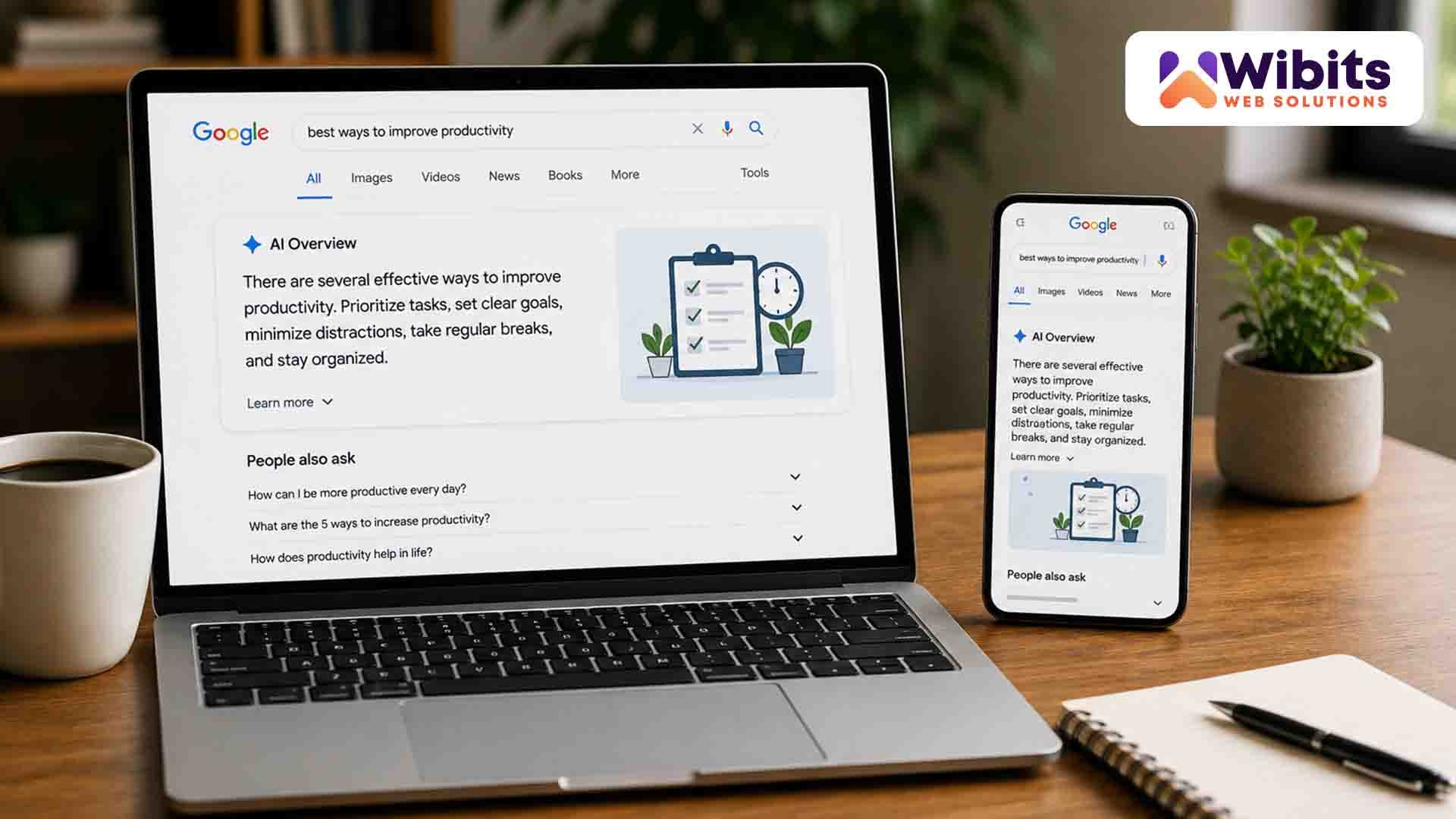
For years, the goal was pretty simple. Get your website onto Google. Get it near…
You wake up to an urgent notification, a harsh review, an old legal scrape, or…
Remember when building a decent website and tossing in a few keywords was enough to…
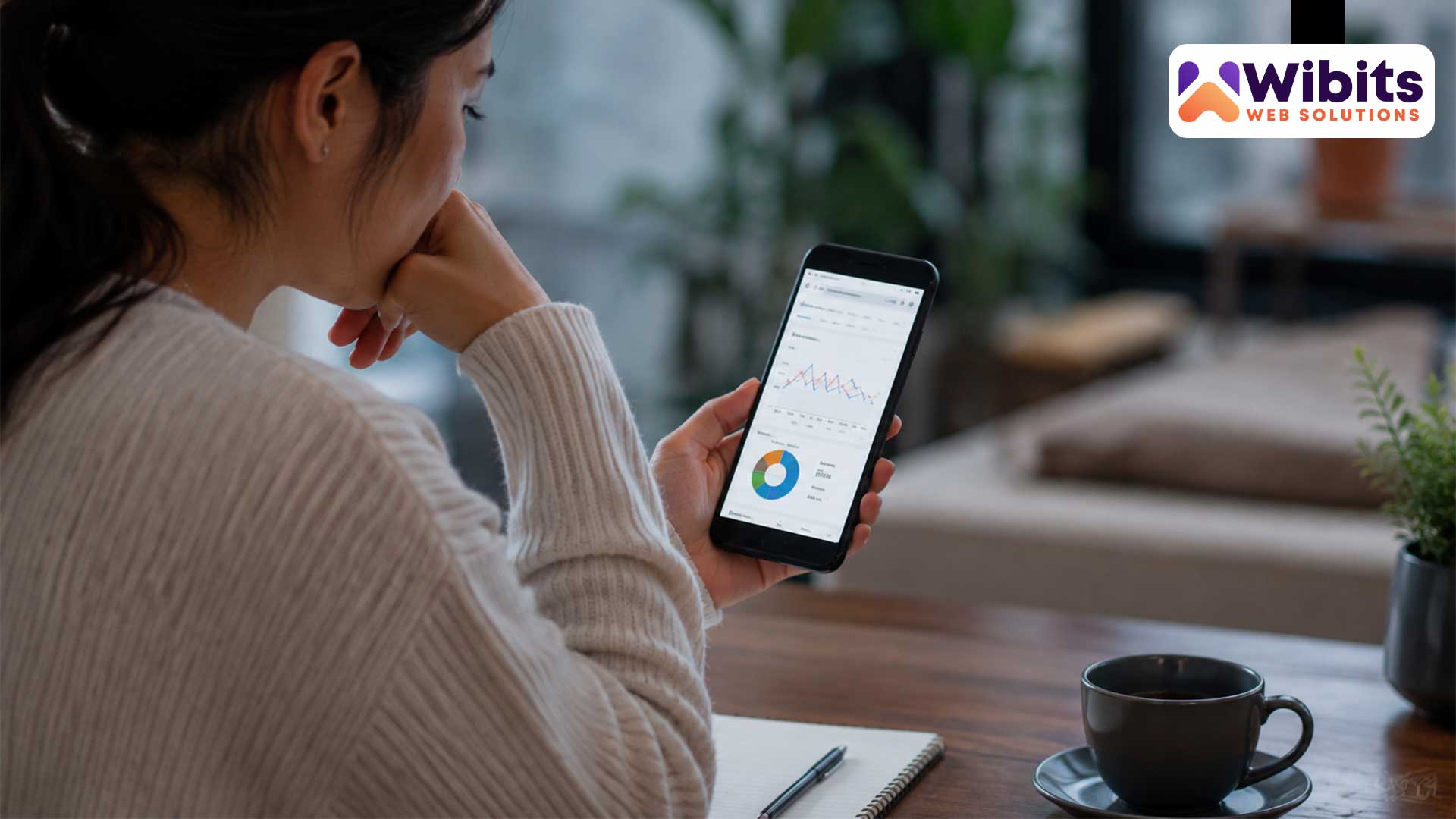
"I think we're done with Google Ads." A business owner said that recently. I didn't…
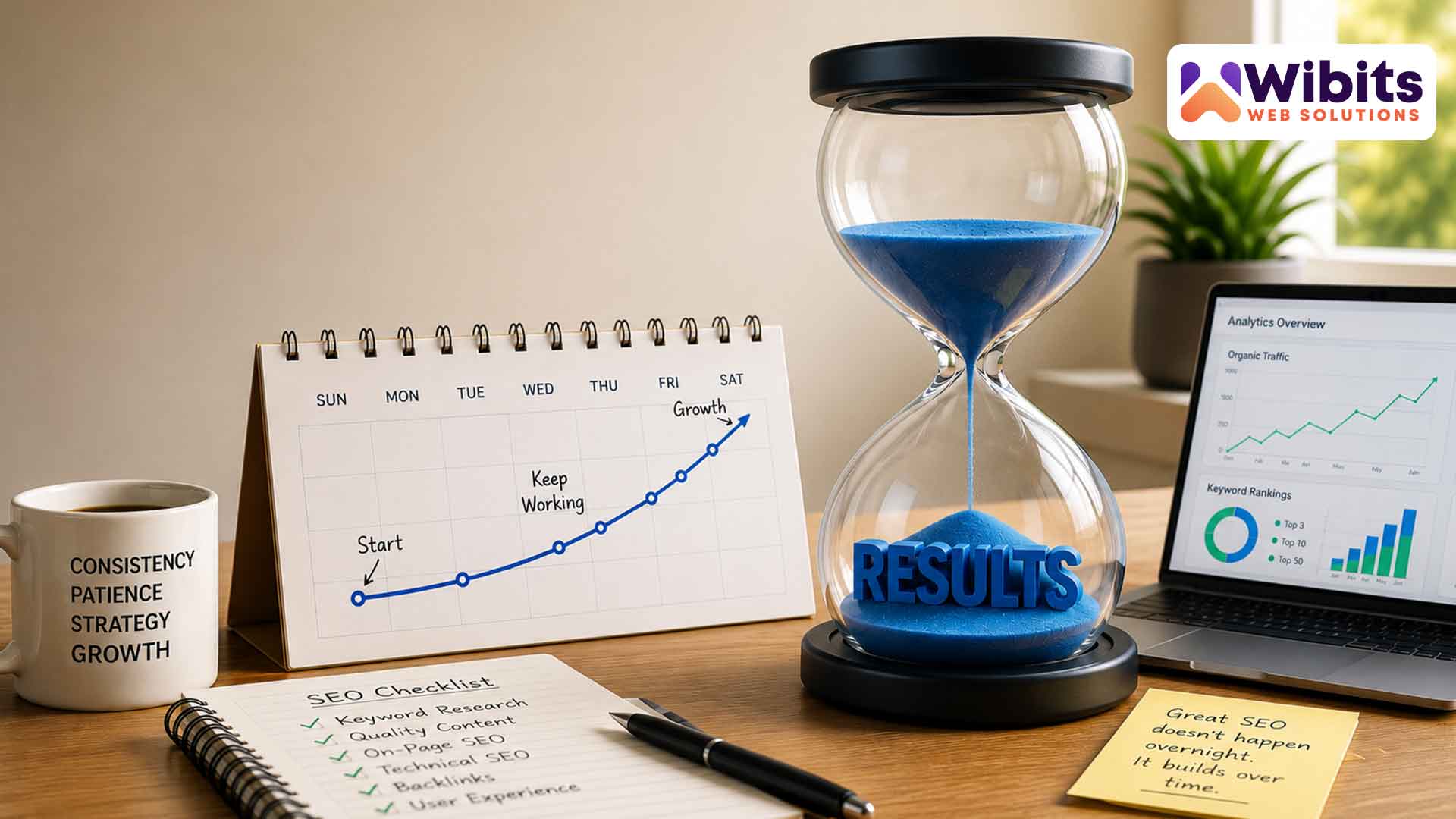
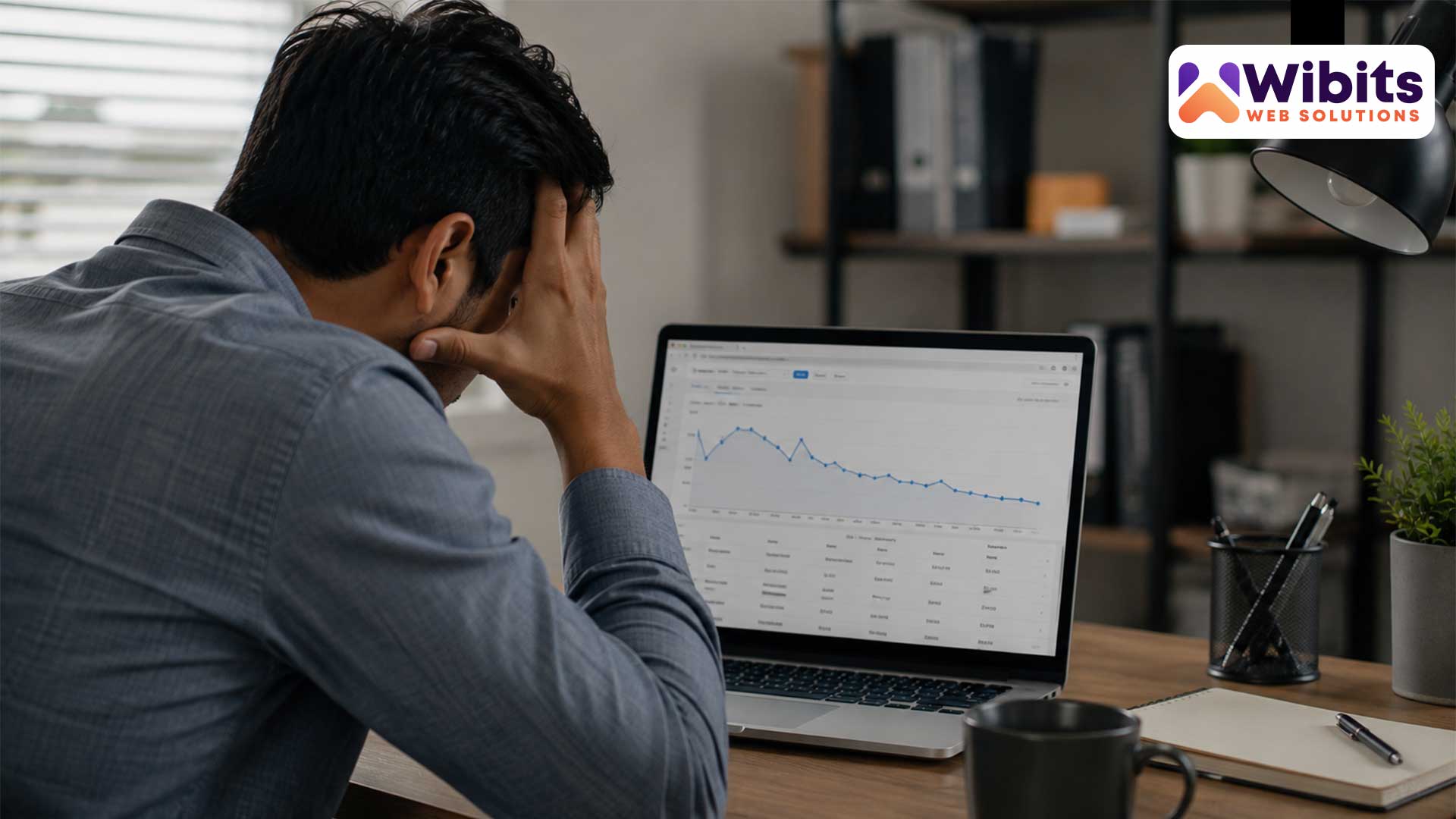
You may have spent months working in SEO or working with a best SEO company…
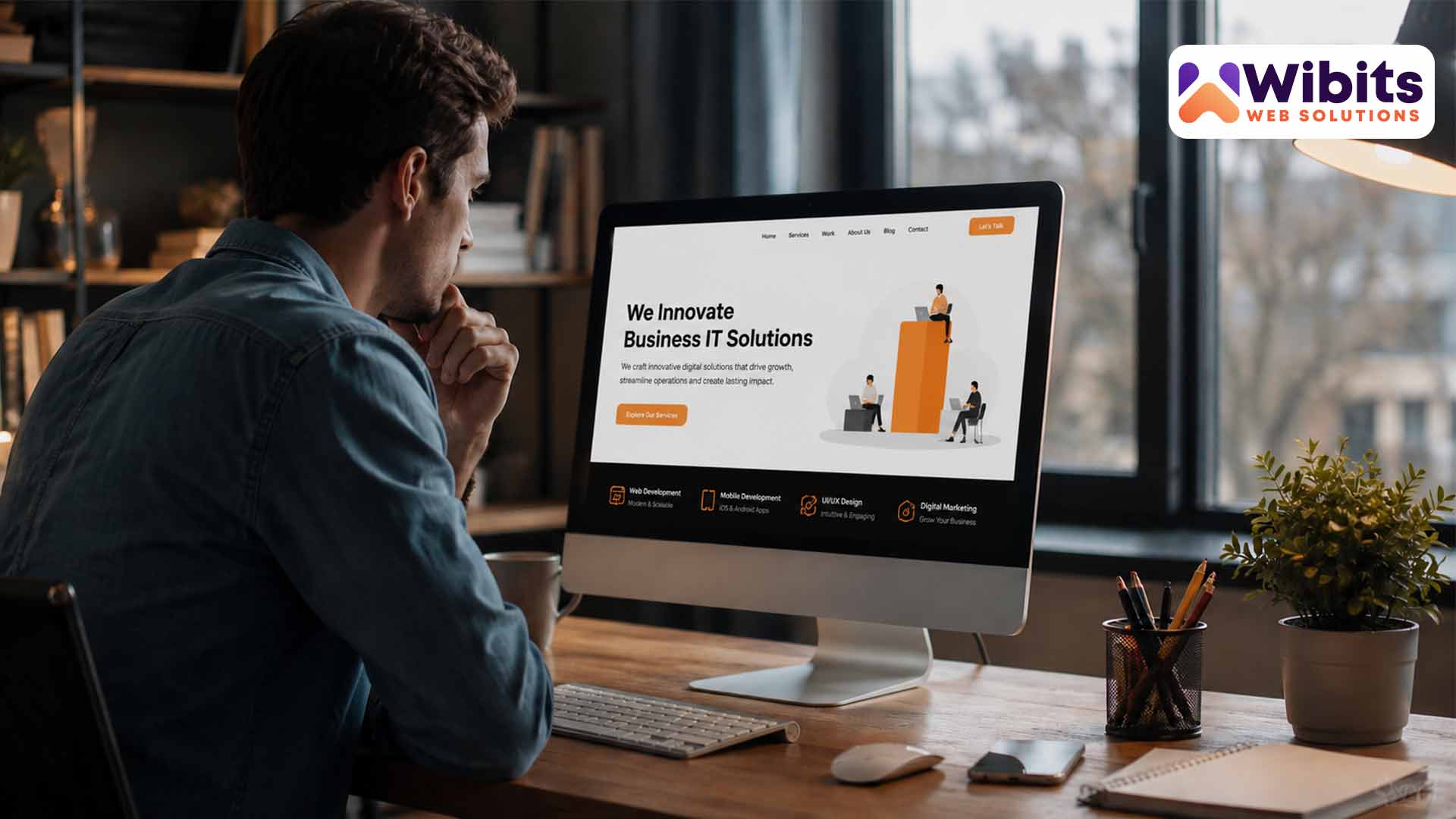
Imagine walking into a hardware store looking for a certain type of strong garden hose.…
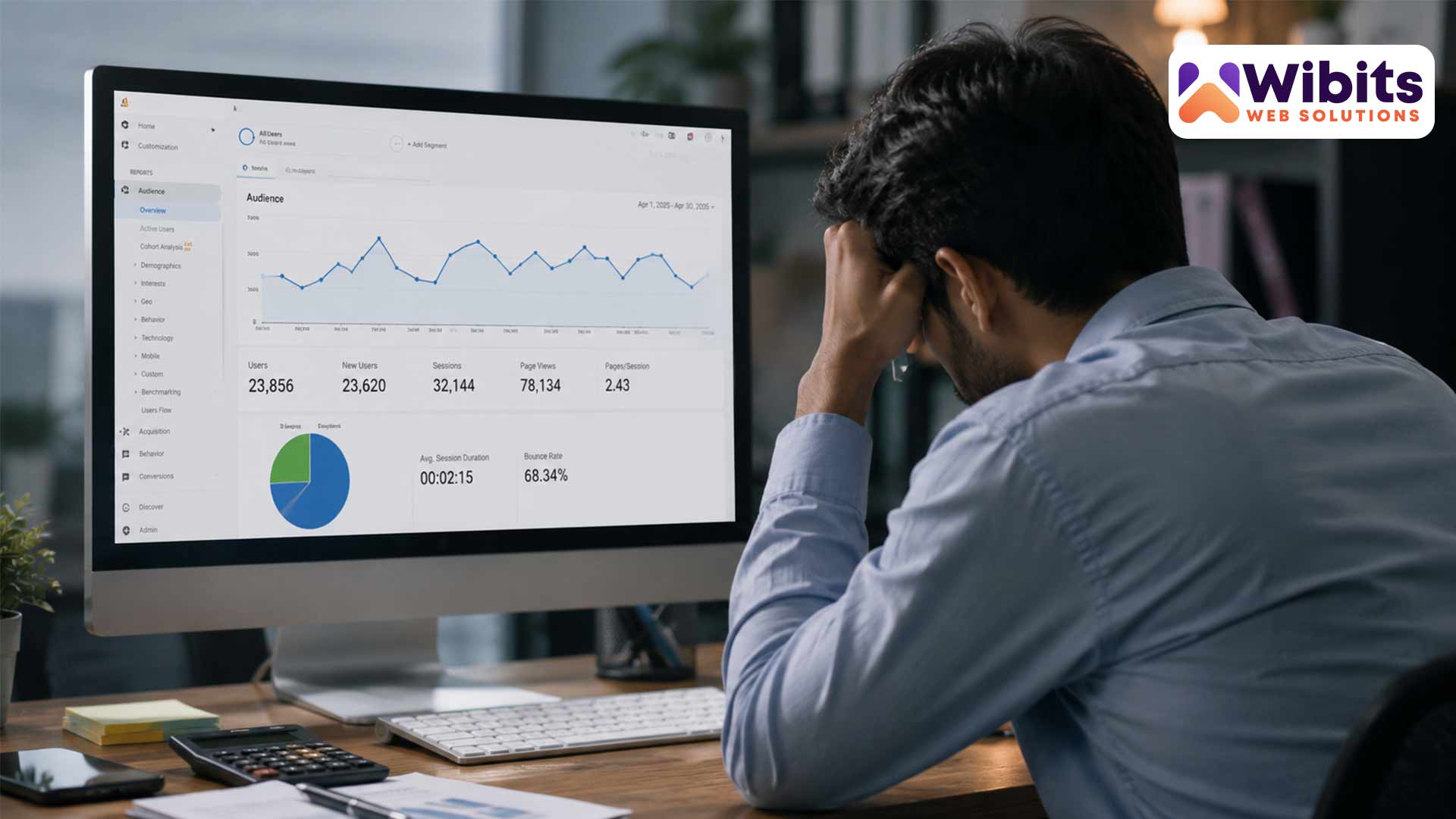
You open Google Analytics. The numbers don't look bad. People are visiting the website. Some…