


For years, search engine optimization revolved around one core principle: keywords. Find the right keywords, place them strategically, and rank higher on search engines. But that era is rapidly fading.
Today, search is no longer about what users type, it’s about what they mean. With the rise of AI-driven search engines, voice assistants, and evolving algorithms, we are entering a new phase: intent-based discovery.
This shift is not subtle. It’s fundamentally changing how businesses attract, engage, and convert users online.
Traditional SEO focused heavily on keyword density, exact matches, and ranking for specific phrases. While keywords still matter, search engines have become far more intelligent.
Modern algorithms now:
For example, a search like “best marketing agency” can have multiple intents:
Search engines now analyse behaviour, location, and past activity to deliver results tailored to that intent, not just the keyword.
Intent-based search focuses on why a user is searching rather than what they are typing.
There are four primary types of search intent:
Search engines are now prioritizing content that directly satisfies these intents.
This means businesses must shift from:
“What keywords should we rank for?”
to
“What problems are our users trying to solve?”
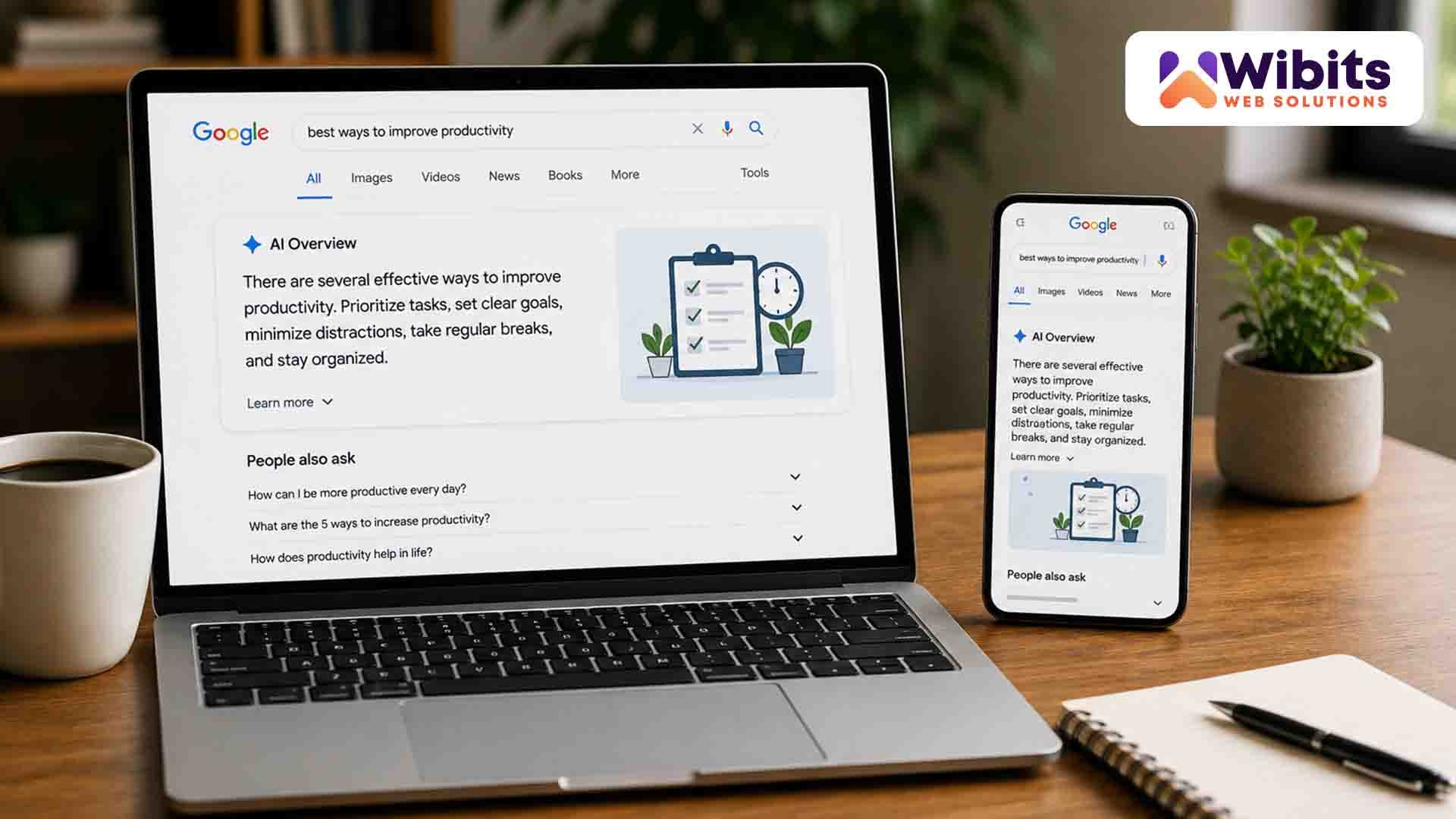
AI tools and search experiences are accelerating this transformation. Users are no longer just clicking links, they’re getting direct answers.
Key changes include:
This creates a zero-click environment, where users often get answers without visiting a website.
For businesses, this is both a challenge and an opportunity.
As search evolves, many businesses are noticing:
However, this doesn’t mean SEO is dying, it’s evolving.
The focus is shifting from:
To stay competitive, businesses must rethink their digital strategy.
Instead of targeting isolated keywords, create content that answers real questions and solves real problems.
Think in terms of:
“How can I improve my website conversions?”
“What is the best strategy for local SEO?”
This approach aligns your content with actual user needs.
Search engines now reward websites that demonstrate expertise across a subject.
Instead of creating scattered content, build content clusters around key topics:
This signals authority and improves long-term rankings.
Search queries are becoming more natural and question-based.
To adapt:
For example:
Instead of “SEO services”, optimize for
“How can SEO help my business grow?”
Generic content no longer works. Search engines prioritize:
Content should not just inform, it should demonstrate expertise and trustworthiness.
As AI-driven search grows, brand recognition becomes critical.
Users are more likely to trust and engage with brands they recognize. This means:
Brand authority is becoming a ranking factor in itself.
AI is not just changing search; it’s changing how users discover businesses.
Platforms now recommend content based on:
This means discovery is becoming more personalised, less keyword-driven, more experience-based
Businesses that understand this shift can position themselves ahead of competitors.
The future of search will likely include:
In this environment, visibility won’t come from ranking alone, it will come from relevance, authority, and trust.
The shift from keywords to intent-based discovery is not just an evolution, it’s a complete transformation of how search works. Businesses that continue to rely only on traditional SEO tactics may struggle to stay visible, while those that focus on user intent, meaningful content, and authority will gain a clear competitive edge.
Search is no longer just about being found, it’s about being understood.
If your business is ready to adapt to this new era of search, partnering with experts can make all the difference. Wibits Web Solutions LLP helps businesses stay ahead with data-driven SEO strategies, advanced digital marketing solutions, and result-oriented web development services. Connect our team to transform your online presence and stay competitive in the future of search.

For years, website owners have focused on one big question: Can Google find my website?…

Think about the websites you visit without even thinking twice. Maybe there's a technology site…
For years, the goal was pretty simple. Get your website onto Google. Get it near…

You wake up to an urgent notification, a harsh review, an old legal scrape, or…

Remember when building a decent website and tossing in a few keywords was enough to…

"I think we're done with Google Ads." A business owner said that recently. I didn't…


You may have spent months working in SEO or working with a best SEO company…

Imagine walking into a hardware store looking for a certain type of strong garden hose.…

You open Google Analytics. The numbers don't look bad. People are visiting the website. Some…