

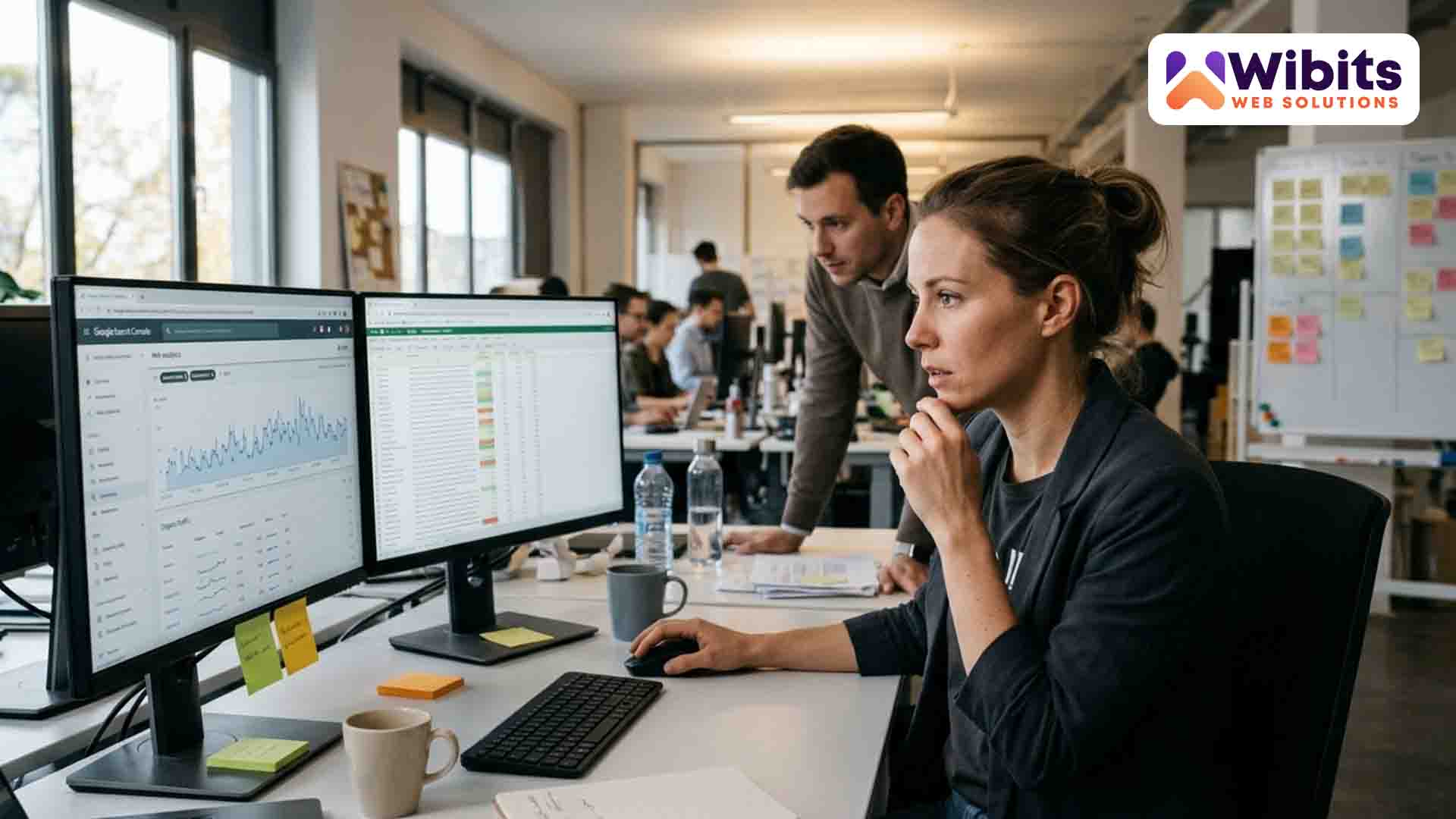
Google began rolling out the November 2026 core update on November 10, 2026. It is the third broad core update of the year, after March and May, and Google expects it to take about two weeks. For online stores the timing is tricky: the rollout should finish just before Black Friday (November 27) and Cyber Monday (November 30), the busiest organic shopping days of the year.
Key takeaways
|
A core update is a broad change to Google’s core ranking systems, designed to surface more relevant, helpful and reliable results. Google announced this one on the Google Search Status Dashboard and described it as a regular update, not a targeted fix.
Key facts:
Start date: November 10, 2026, per Search Engine Journal and Search Engine Roundtable.
Scope: It applies globally, to all regions and languages.
Where it shows up: Core updates can also affect Google Discover and features such as featured snippets.
Not a penalty: Core updates do not target specific sites. Pages move up or down because Google’s assessment of content value changes relative to everything else on the web, as explained in Google’s core update guidance.
2026 so far: The March update ran from March 27 to April 8 and the May update from May 21 to June 2. Spam updates followed in June, August and September.
Google says about two weeks, which would put completion around November 24. Treat that as an estimate. Search Engine Roundtable’s list of past core updates shows several running well past two weeks, including more than three weeks for November 2024 and 45 days for March 2024. The March and May 2026 updates each finished in about 12 days, according to Search Engine Journal.
Watch the Search Status Dashboard for the official completion notice rather than relying on a calendar estimate.
Google does not publish ranking weights. Its public guidance points to a consistent set of qualities:
People-first, original content. Google’s helpful content guidance asks whether a page offers original information, research or analysis beyond what is already available.
Experience, expertise, authoritativeness and trust (E-E-A-T). This is a framework Google’s quality raters use to judge content. It is not a single ranking factor, but pages that show real first-hand experience and clear authorship tend to align with what the systems reward.
Intent match. The page type should fit the search: a category page for shopping queries, a guide for research queries.
For stores, that means original product photos, real reviews, honest sizing and care information, and category pages that help someone choose.
Three things matter most for online stores.
Rankings may swing while traffic and purchase intent peak. Do not compare holiday traffic with a pre-update baseline, because seasonality will distort the picture. Compare against the same period last year and segment by page type instead.
Stores that reuse manufacturer descriptions found on hundreds of other sites often lose visibility. Unique copy, size guides, customer reviews and well-written category descriptions help. Note that mass-produced low-value pages can also fall under Google’s separate spam policies on scaled content, which are handled outside core updates.
AI Overviews and AI Mode are not new to this update; both earlier 2026 core updates also ran alongside them. What has changed is how much of the results page they occupy, so impressions and clicks can shift even when rankings hold. Google explains how its AI features and your website interact.
Nothing drastic. Rankings fluctuate daily as the rollout progresses, and Google advises waiting until it finishes and then allowing about a full week before analyzing Search Console data. Because the rollout should end close to November 24, your clean analysis window likely begins around December 1, after Cyber Monday.
In the meantime:
Step 1: Read the data properly. In Google Search Console, compare the period after rollout completion with the previous period and the same period last year. Split results by page type (product, category, blog) and by branded versus non-branded queries.
Step 2: Run a content quality audit. For pages that lost visibility, ask:
A structured e-commerce SEO audit and ongoing content marketing support make this easier to run at scale.
Step 3: Check technical health. Look for indexing drops, crawl errors and broken canonicals. Confirm that your product structured data is valid and that pages meet Core Web Vitals standards, especially on mobile checkout. Our technical SEO services cover these checks, and a stronger e-commerce website build or UI/UX redesign can fix speed and checkout problems at the root.
Step 4: Track AI visibility separately. Record whether your brand and products are cited in AI Overviews and other AI answers, apart from classic rankings. Clear FAQs, consistent business information across the web, structured data and credible mentions all help. Our AI search optimization services are built around this.
If your business serves a specific area, local SEO also gives you visibility that is less exposed to broad algorithm swings.
When did the Google November 2026 core update start?
It began on November 10, 2026, and Google said it would take about two weeks to complete.
Is the November 2026 core update a penalty?
No. It is a broad change to ranking systems. Pages rise or fall relative to others, and no site is manually targeted.
Should I change my site while the update is rolling out?
Avoid major changes. Wait until the rollout is marked complete on the Search Status Dashboard, then wait about a week before analyzing.
Will this affect my Black Friday and Cyber Monday traffic?
Possibly. The rollout is expected to finish just before Black Friday, so rankings may still be settling. Compare results with last year’s holiday period, not with a pre-update baseline.
My traffic dropped. How do I recover?
Audit the affected pages for usefulness, originality and technical problems, then improve them. Recovery usually follows genuine improvements over time and is not guaranteed by any single fix. See our case studies for examples, or talk to our team.
The November 2026 core update rewards stores that put shoppers first: original content, clean technical foundations and a trustworthy experience. Stay calm during the rollout, analyze after it settles, and use the update as a prompt to strengthen the pages that matter most. For more guides like this, visit the Wibits digital marketing blog.


Search no longer ends at ten blue links. Your customers now ask Google, ChatGPT, Gemini…
Google began rolling out the November 2026 core update on November 10, 2026. It is…

Let's say you own a digital marketing company in Nagercoil. Your website is doing reasonably…
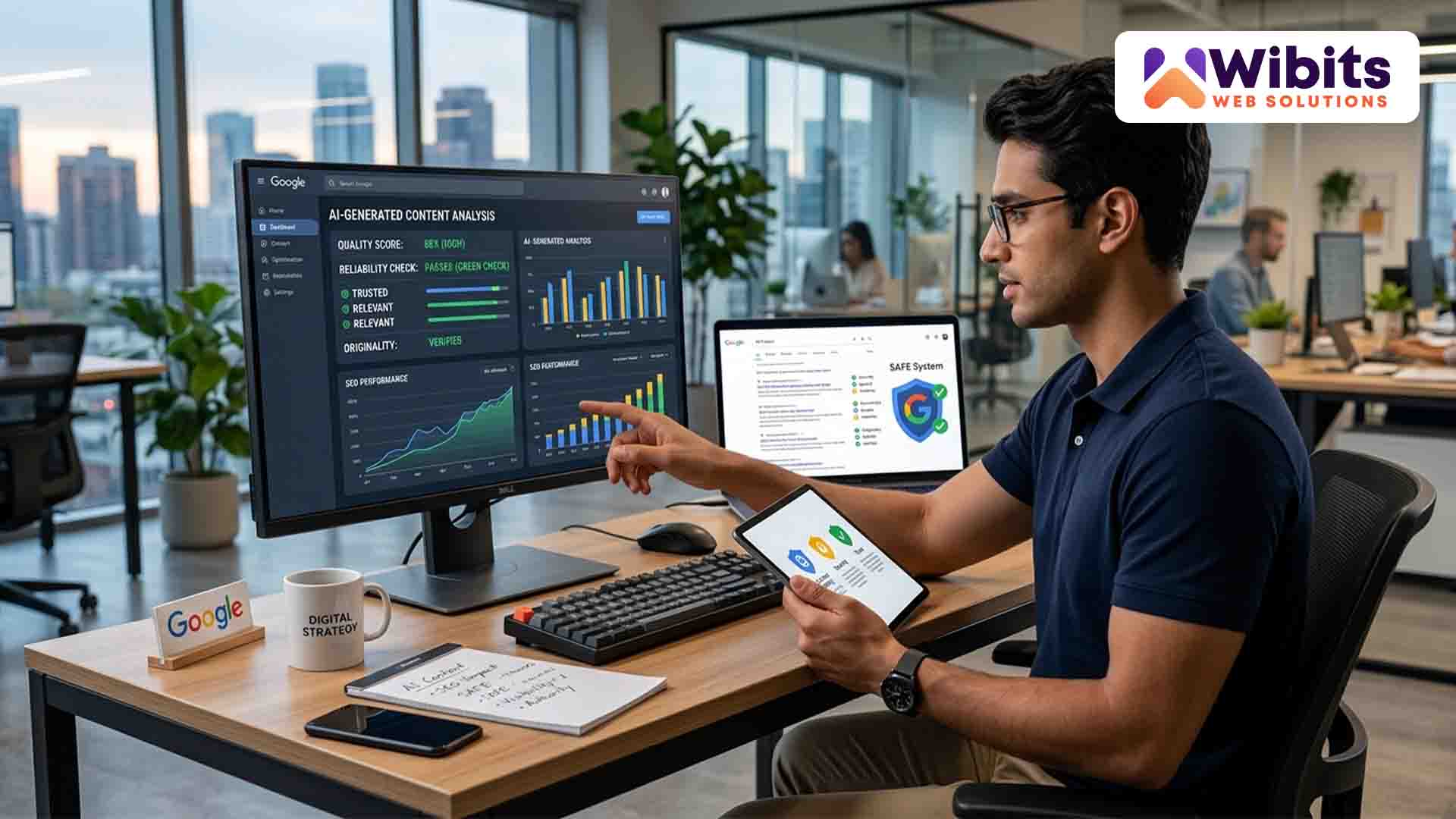
Google has a new system called SAFE, and it has caught the attention of people…
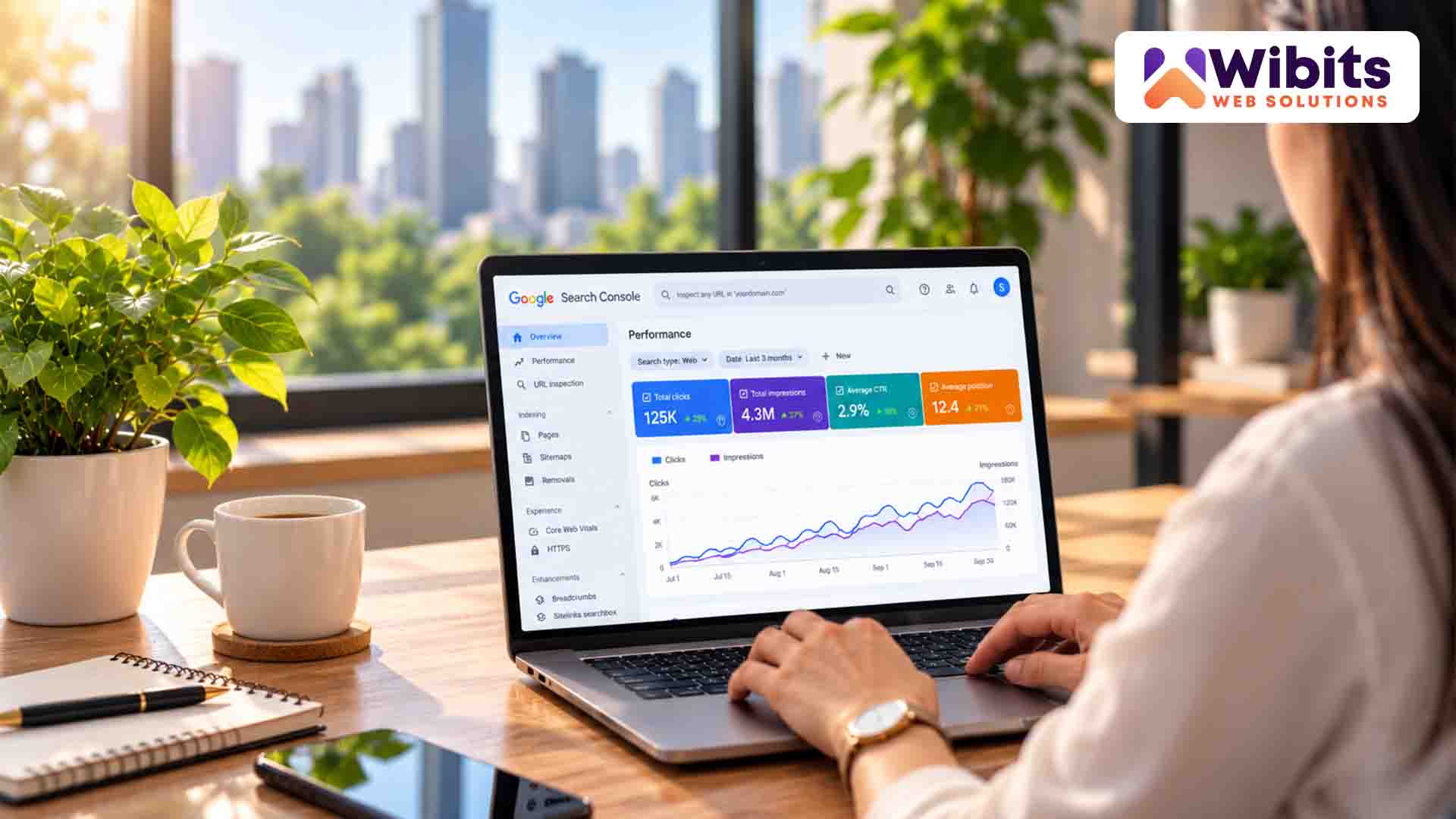
Think about the last time you searched for something online. Most of the time, you…

The internet search methods have changed. Now rather than accessing tens of sites one would…
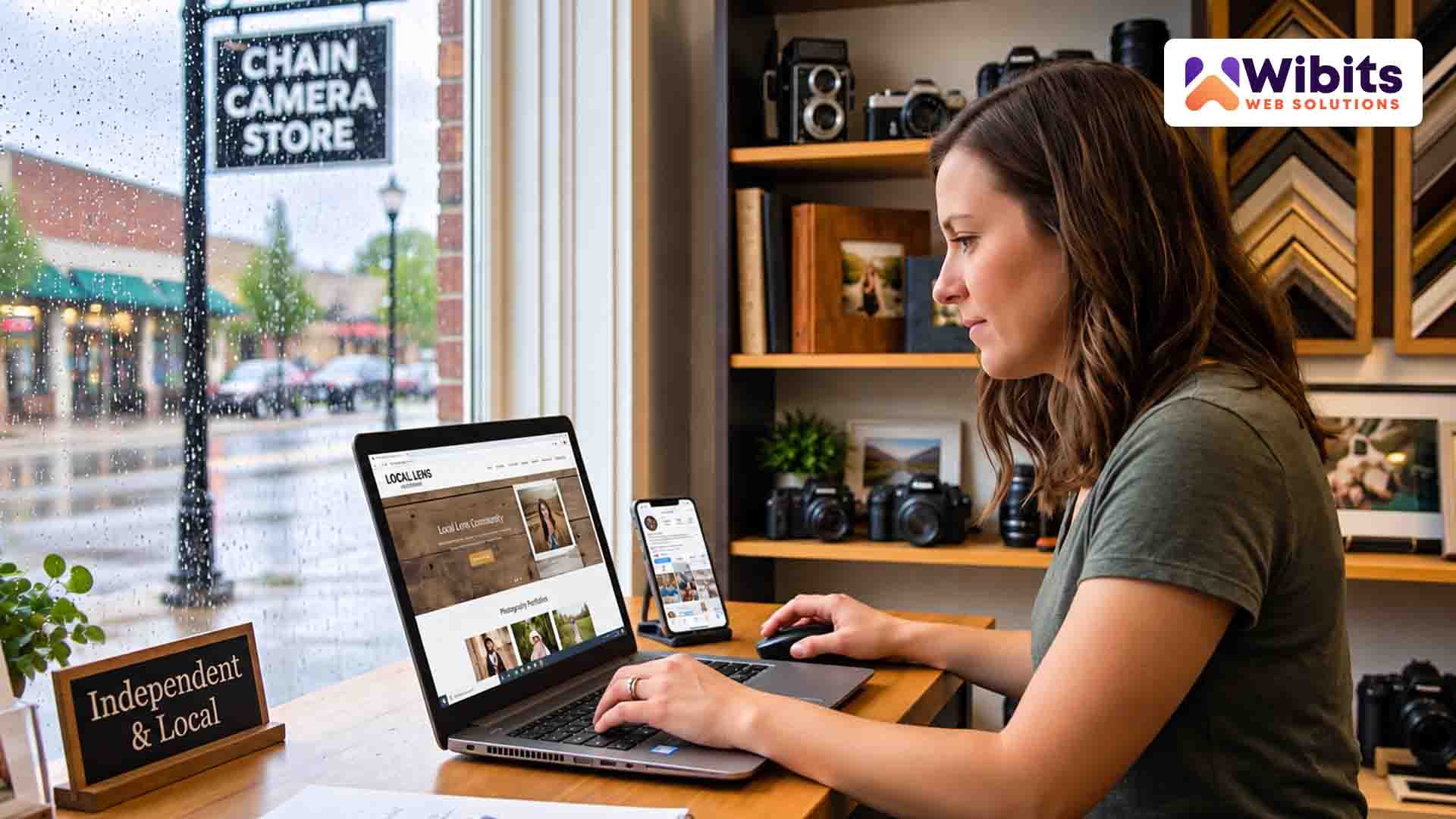
A small business already has plenty on its plate. Then it has to compete online…
A potential customer opens ChatGPT and asks, “Who are the best companies for SEO in…

For years, website owners have focused on one big question: Can Google find my website?…

Think about the websites you visit without even thinking twice. Maybe there's a technology site…