

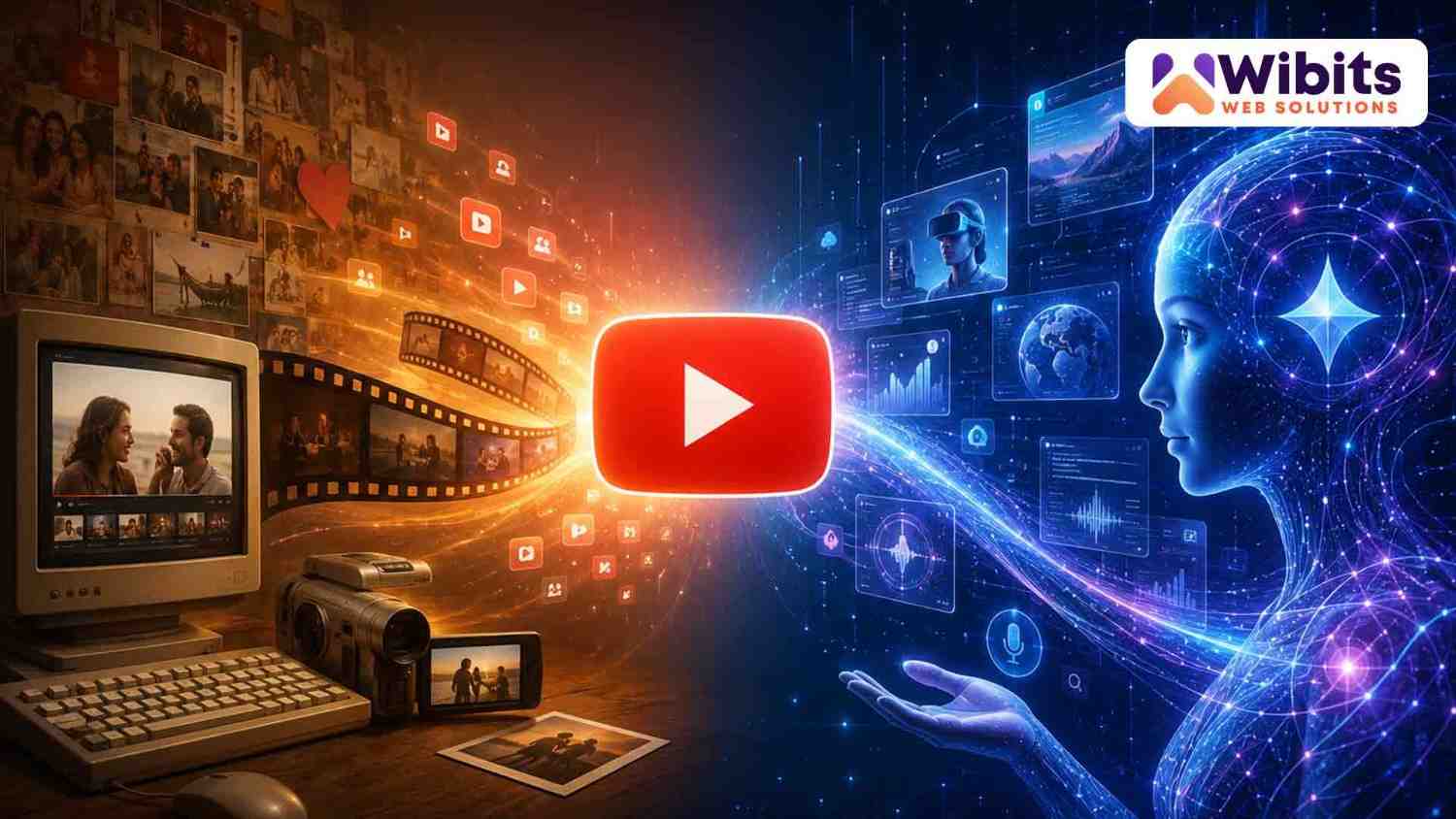
Have you ever stopped to think about how much time you spend on YouTube? Whether you are a parent trying to find a quick tutorial on how to teach your child to ride a bike, a student looking for a biology breakdown, or a creator looking to make the next viral Short, YouTube is an indispensable part of daily life.
The platform is undergoing one of its most massive transformations yet. Following major industry shifts, a monumental change is occurring in how we find videos and create them. With the introduction of Gemini Omni AI video remixing and the conversational “Ask YouTube” search feature, the world’s largest video platform is officially stepping into a brand-new era.
This comprehensive guide explores everything you need to know about YouTube’s journey, from its humble beginnings to its cutting-edge, artificial intelligence-powered future.
Long before it became an engine powered by billion-parameter artificial intelligence models, YouTube started with a very simple problem. In early 2005, three former PayPal employees, Chad Hurley, Steve Chen, and Jawed Karim, were trying to find an easy way to share video clips from a dinner party. They quickly realized that sending video files over email was nearly impossible due to file size limits, and finding specific videos online was frustratingly complicated.
Interestingly, the very first concept for YouTube wasn’t a massive entertainment hub; it was actually designed as a video-based online dating site called “Tune In Hook Up.” Fortunately for the world, that specific idea didn’t take off. The founders quickly pivoted to a general video-sharing platform where anyone could upload a clip for free.
On April 23, 2005, co-founder Jawed Karim uploaded the very first video to the site, titled “Me at the zoo.” The low-resolution, 19-second clip showed Karim standing in front of elephants at the San Diego Zoo. That unassuming video laid the foundation for a digital empire.
The open nature of the platform triggered immediate, unprecedented growth. By mid-2006, users were uploading tens of thousands of videos a day. Recognizing the immense potential of user-generated video content, Google stepped in and acquired YouTube in November 2006 for a staggering $1.65 billion in stock. At the time, critics thought Google was overpaying, but it proved to be one of the smartest acquisitions in tech history.
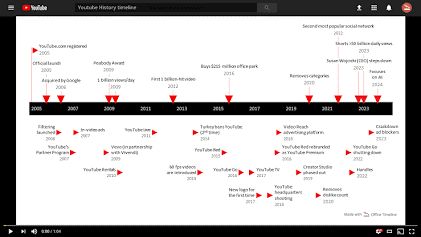
YouTube Milestone Timeline. Source: Office Timeline
Over the next two decades, YouTube hit several historic milestones:
2007 (The Partner Program): YouTube introduced monetization, allowing everyday creators to turn their passion into a full-time career.
2010 (HD and Live Streaming): The introduction of 1080p high-definition playback and live streaming capabilities completely transformed online broadcasting.
2012 (The Billion-View Milestone): Psy’s “Gangnam Style” became the very first video to hit one billion views, proving the platform’s global reach.
2021 (The Rise of Shorts): To compete with short-form video apps, the platform launched YouTube Shorts, which quickly accumulated tens of billions of daily views.
Today, YouTube is much more than a video library; it is the world’s second-largest search engine. It processes billions of queries every single day, operating as an educational platform, an entertainment ecosystem, a music streaming giant, and a primary traffic driver for digital marketers globally.
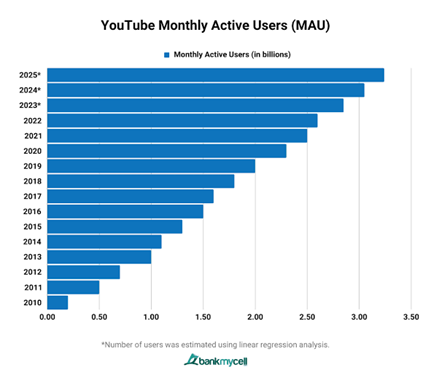
YouTube Monthly Active Users (MAU) Growth. Source: BankMyCell
As seen in the growth data above, the massive user base demands continuous technological scaling. However, as the internet evolves away from rigid keyword typing and moves toward natural language processing, user expectations are shifting. Viewers no longer just want a static list of video links when they type a question—they want precise answers. Similarly, casual creators want to participate in viral trends without needing thousands of dollars worth of complex video editing software. This brings us to YouTube’s current chapter: the deeply integrated AI ecosystem.
A massive infusion of next-generation AI is hitting consumer video products. For video enthusiasts, the biggest developments center on how advanced multimodal models are being integrated directly into YouTube to revolutionize both search and creation.
For years, optimization relied strictly on matching the exact keywords a user typed into a search bar. The new “Ask YouTube” conversational search feature fundamentally changes that dynamic.
Instead of relying on simple phrases like “kids bike training video,” users can now type or speak long, highly detailed, and complex questions. For example, a user can type: “Show me the best ways to teach my child how to ride a bike without training wheels, and give me a few quick creator reviews of indoor cozy games to play afterward if it starts raining.”
Rather than returning a standard vertical list of thumbnails, the “Ask YouTube” feature uses advanced natural language models to compile a structured, interactive response. It reviews the entire platform catalog weaving together both long-form videos and bite-sized Shorts to create a tailored guide. Users can even ask immediate follow-up questions to refine their results further, turning the traditional search box into a helpful, conversational AI assistant.
On the content creation side, the integration of generative intelligence into YouTube Shorts Remix and creation apps is a game-changer. Models like Gemini Omni operate as native multimodal world models, meaning they can process and generate text, audio, images, and video simultaneously while maintaining a deep understanding of real-world physics and context.
Next-Gen AI Interface Concept. Source: Alai
What does this mean for everyday creators? It makes advanced video editing completely conversational. Through simple text prompts and images, creators can now:
Change Scenes Instantly: Transform the entire background or aesthetic of an existing video into a totally different visual style (such as converting a modern street scene into an illustrative fantasy landscape).
Insert Themselves Safely: Seamlessly place their own likeness or custom avatars directly alongside their favorite creators to join a viral trend.
Intelligent Remixing: Generate brand-new creative concepts while fully preserving the core characters, layout, and physics context of the original source video.

AI Visual Design Capability Showcase. Source: Adobe
By making these tools free within creative ecosystems, the focus shifts entirely away from technical video-editing barriers and places it squarely on creative ideas.
For professional digital marketers, SEO specialists, and brand managers, these AI advancements introduce both massive opportunities and complex hurdles.
Historically, tracking video performance was straightforward. Marketers optimized titles, descriptions, and tags around specific, measurable target keywords. Success was analyzed using clear signals like search queries, click-through rates (CTR), and watch time.
With conversational discovery tools like Ask YouTube, a layer of interpretation is introduced between the user’s prompt and the final video recommendation. Because users are switching to natural, multi-sentence dialogue and follow-up questions, the traditional reliance on highly trackable keywords is shifting.
To navigate these changes successfully, collaborating with an experienced digital marketing agency can help brands re-engineer their content strategies. Forward-thinking SEO specialists will need to pivot away from exact-match phrases and focus heavily on creating comprehensive, high-quality, and deeply authoritative video content that addresses specific user intents holistically. If an AI assistant is compiling the ultimate answer for a consumer, your video needs to be clear, highly relevant, and structurally sound enough to be selected as the primary source within that interactive response.
With the ability to easily remix content using powerful AI tools comes the valid concern of digital duplication, deepfakes, and copyright protection. Platforms are addressing these concerns by framing tool rollouts around creator participation, security, and consent.
To maintain trust across the digital ecosystem, several strict guardrails have been established:
Mandatory Watermarking & Metadata: Any video created or remixed using these tools automatically features invisible digital watermarking via advanced safety tech like SynthID, along with specific metadata and clear labels flagging it as AI-generated content.
Back-Linking to Originals: Remixed Shorts automatically include direct links back to the original creator’s source video, ensuring proper attribution and driving traffic back to the authentic creator.
The Ultimate Opt-Out: Creators who do not want their videos modified have the total flexibility to opt out of visual remixing within their account settings at any time.
Expanded Likeness Detection: Advanced likeness detection tools help public figures and everyday users easily identify, monitor, and manage any unauthorized AI-generated use of their face or voice.
From its modest roots as a 19-second video clip at the zoo to the deployment of sophisticated multimodal software, YouTube’s journey has always been about removing barriers to video access.
The introduction of conversational search and intuitive AI remixing tools represents a complete paradigm shift. For viewers, discovering specific information is now as natural as chatting with a knowledgeable friend. For creators, the technical friction of editing is disappearing, opening up a world where the only real limit is your imagination. As these artificial intelligence systems continue to roll out globally, the line between watching content and actively interacting with it will disappear entirely, shaping the next golden age of digital media. If you are ready to position your brand ahead of this curve, partner with the experts at Wibits to future-proof your digital strategy today.

For years, website owners have focused on one big question: Can Google find my website?…

Think about the websites you visit without even thinking twice. Maybe there's a technology site…
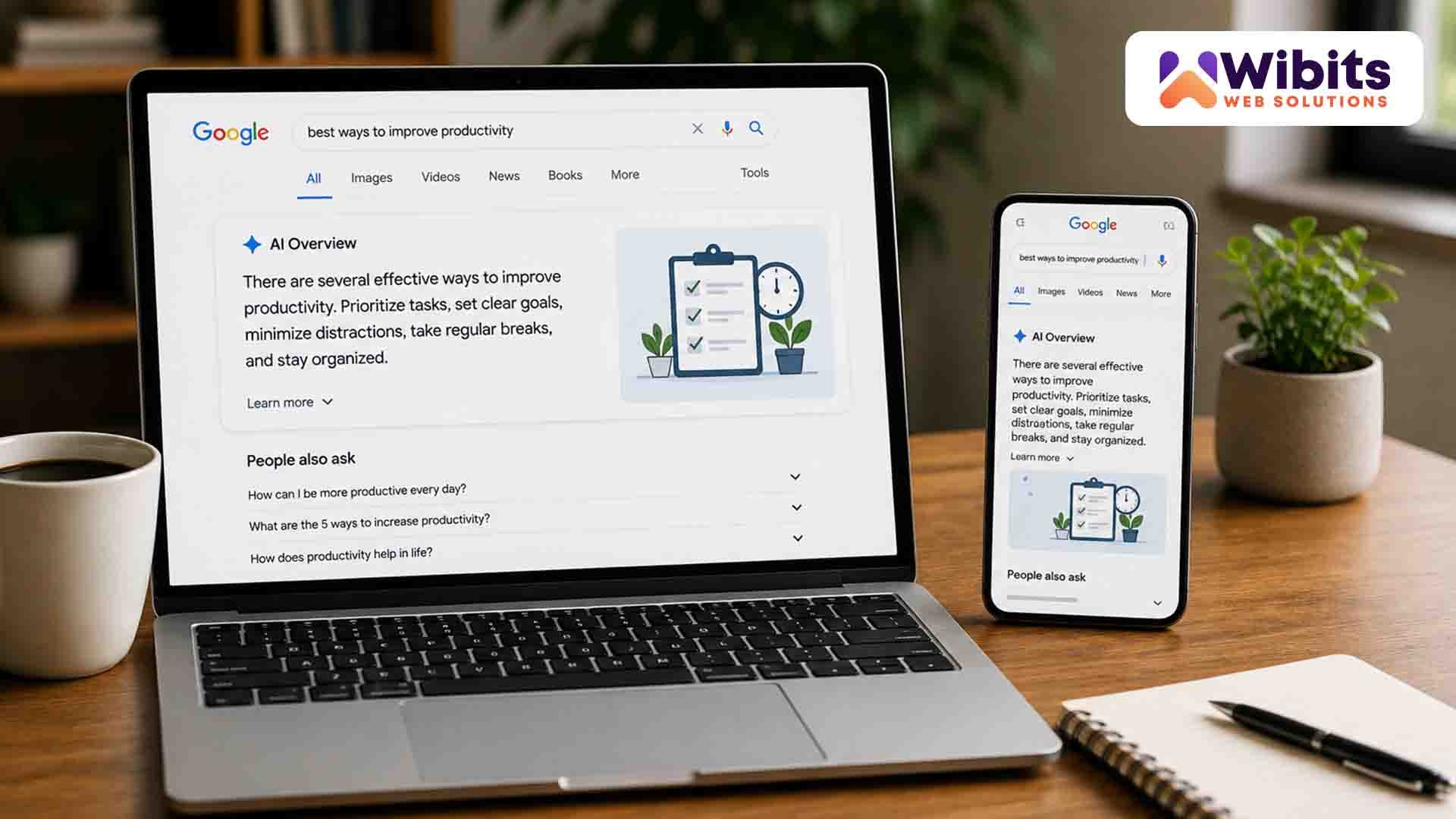
For years, the goal was pretty simple. Get your website onto Google. Get it near…

You wake up to an urgent notification, a harsh review, an old legal scrape, or…
Remember when building a decent website and tossing in a few keywords was enough to…

"I think we're done with Google Ads." A business owner said that recently. I didn't…
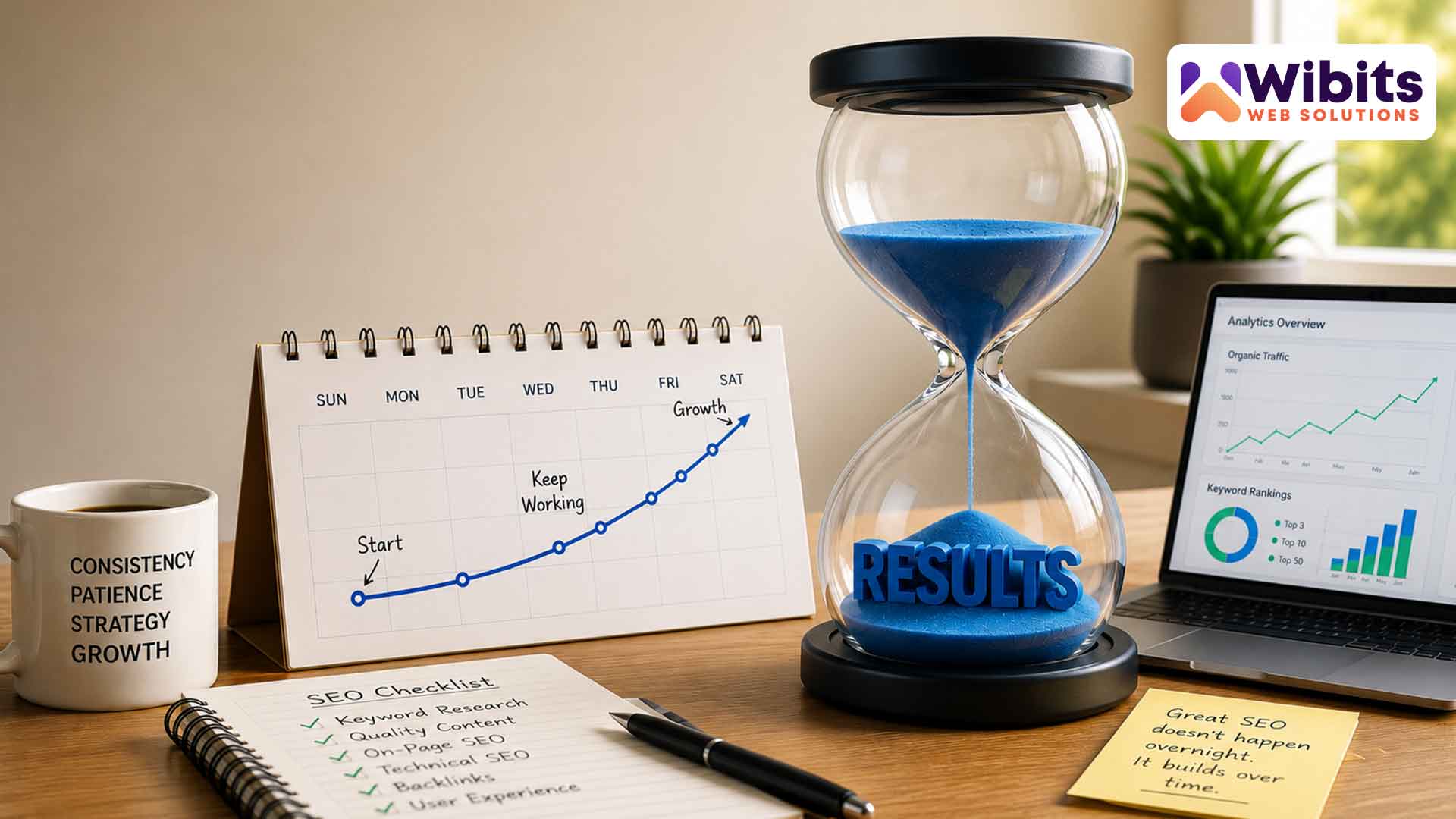

You may have spent months working in SEO or working with a best SEO company…

Imagine walking into a hardware store looking for a certain type of strong garden hose.…
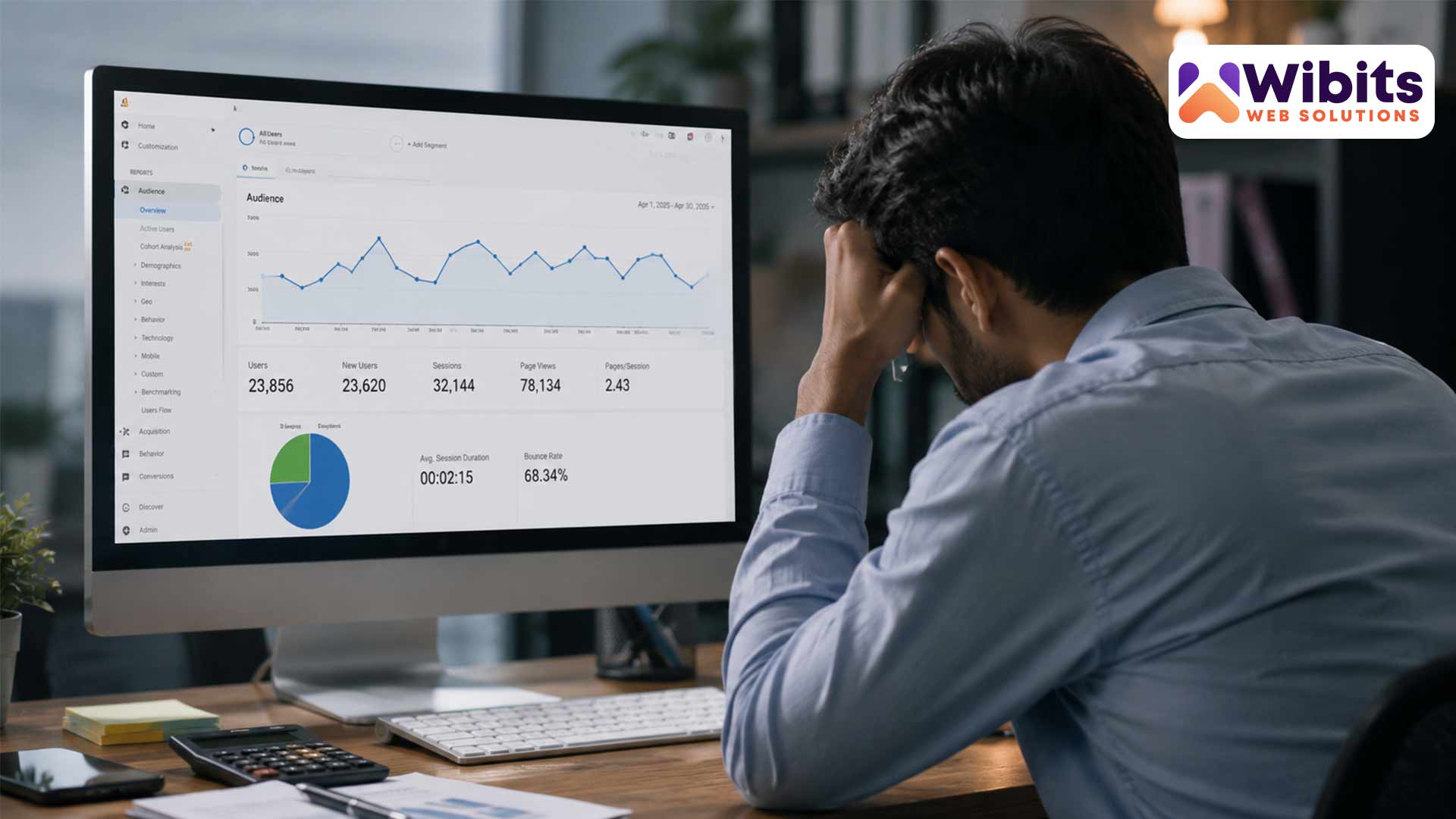
You open Google Analytics. The numbers don't look bad. People are visiting the website. Some…