


Is your logo working for you or against you in the digital age? First impressions happen in milliseconds often on a 6-inch phone screen and here logos must work harder and faster than ever. Brands as well as digital marketing agencies in India are no longer designing just for billboards or print ads. Today’s logos must scale effortlessly from a tiny app icon to a full-screen web banner, all while remaining sharp, recognizable, and relevant. That’s why an increasing number of companies are ditching their complex, ornate logos for sleek, minimalist alternatives.
Minimalist logo design isn’t just a fleeting trend. It’s a strategic shift aligned with digital efficiency, user experience, and global brand cohesion. Let’s unpack why simplicity is gaining ground in the branding world and whether a minimalist logo is right for your business.
Minimalism in branding isn’t new, but its popularity is booming for very practical reasons. Modern logos aren’t just judged on looks, they’re judged on performance. Here are the top three reasons more brands are embracing minimalist logo designs:
We live in a mobile-first world, and logos need to adapt seamlessly across devices and screen sizes. A detailed, intricate logo might look amazing on a storefront but can lose clarity as a favicon or social media profile pic.
Think social media, app icons, etc., where space is at a premium, simplified logos maintain brand clarity in these spaces, making them more effective.
And there’s more: minimalist logos load faster, which improves website performance and boosts SEO rankings. As brands prioritize mobile UX, a clean and lightweight logo becomes essential, not optional.
Minimalist logos are a clear signal that a brand is evolving. Legacy companies often update outdated logos to connect with younger, digital-native audiences who value modern, clean aesthetics. Take Jaguar, for instance, the luxury car brand has been subtly updating its visual identity to appear more current and tech-savvy.
A minimalist approach also promotes brand consistency. Clean lines, negative space, and cohesive typography help logos look uniform across touchpoints like packaging, digital ads, websites, and merchandise. A strong logo can be sketched from memory after just five seconds.
Intricate logos often require multiple variations for different use cases, leading to higher design and production costs. Elements like gradients, 3D effects, or detailed illustrations increase the time and budget required for replication across mediums.
Minimalist logos, on the other hand, are easier and more affordable to adapt, especially for global companies managing multilingual, cross-cultural branding campaigns. A streamlined logo design translates effortlessly and retains clarity across formats, reducing complexity and cost.
Of course, minimalism isn’t the golden ticket for every brand. Over-simplification can backfire, leading to bland, forgettable logos that fail to tell a brand’s story.
If a logo becomes so generic that it loses what made it unique in the first place, then consistency doesn’t matter because there’s nothing memorable to stay consistent with.
Here’s when minimalism might not be the right move:
| Concern | Explanation |
| Lack of brand personality | Over-simplified logos may not convey the emotional or cultural identity of a brand. |
| Poor differentiation | Simple designs can blend in with competitors rather than stand out. |
| Diluted messaging | Removing key elements might strip the logo of its story or meaning. |
| Unclear industry relevance | A logo that’s too vague may fail to communicate what your brand actually does. |
Most digital marketing companies in Nagercoil say it’s not just about following trends. Minimalism should be a strategic choice based on your brand’s goals, voice, audience, and industry positioning.
“If a brand is all about innovation, trust, and longevity, minimalism is a no-brainer,” says Himanshu Sawant, Creative Strategy Head at Leo9 Design. However, brands built on detail like a luxury hotel or artisanal goods provider may need more expressive logos.
Its best to analyze competitors to ensure the design stands out while staying true to the brand’s essence.
Notable Brands That Went Minimal (and What Happened)
Let’s look at a few examples of real-world logo simplifications:
| Brand | Result |
| Mastercard | Dropped the text in 2016, keeping only the red/yellow circles. The logo remains globally recognizable. |
| Pizza Hut | Switched to a minimalist red swirl in 2014, but faced backlash and reverted to the classic look in 2019. |
| Windows | Embraced a geometric minimalist design; modern but criticized for losing visual personality. |
| Pringles | Simplified Mr. Pringle in 2021 for digital friendliness; mixed reviews but greater platform adaptability. |
Minimalism continues to evolve. Here’s what’s next:
Minimalist logos can give your brand a fresh, modern edge, if executed with purpose. Don’t chase minimalism for the sake of trends. Instead, evaluate how well your logo reflects your identity, communicates your values, and performs across digital touchpoints.
A minimalist design that feels intentional and authentic can be a powerful asset in building long-term brand recognition.
Tech, finance, fashion, e-commerce, and digital-first companies thrive with minimalist logos due to their scalability and modern appeal. Luxury and artisan brands may need more detailed visuals to convey authenticity.
Most brands reassess their logo every 5–10 years. If your logo no longer aligns with your brand’s direction or doesn’t perform well digitally, it may be time for a refresh.

Google has a new system called SAFE, and it has caught the attention of people…

Think about the last time you searched for something online. Most of the time, you…

The internet search methods have changed. Now rather than accessing tens of sites one would…
A small business already has plenty on its plate. Then it has to compete online…
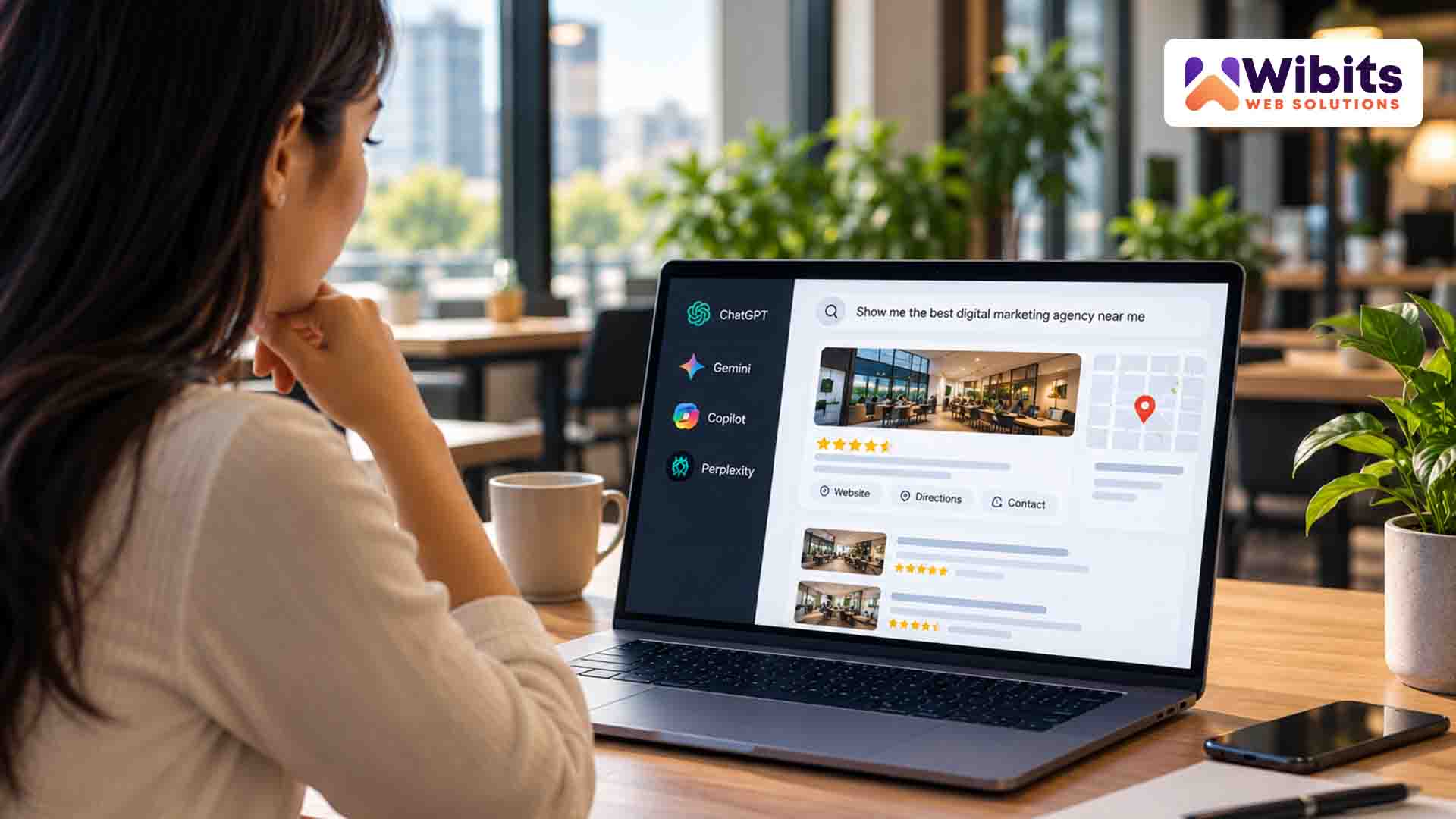
A potential customer opens ChatGPT and asks, “Who are the best companies for SEO in…

For years, website owners have focused on one big question: Can Google find my website?…

Think about the websites you visit without even thinking twice. Maybe there's a technology site…
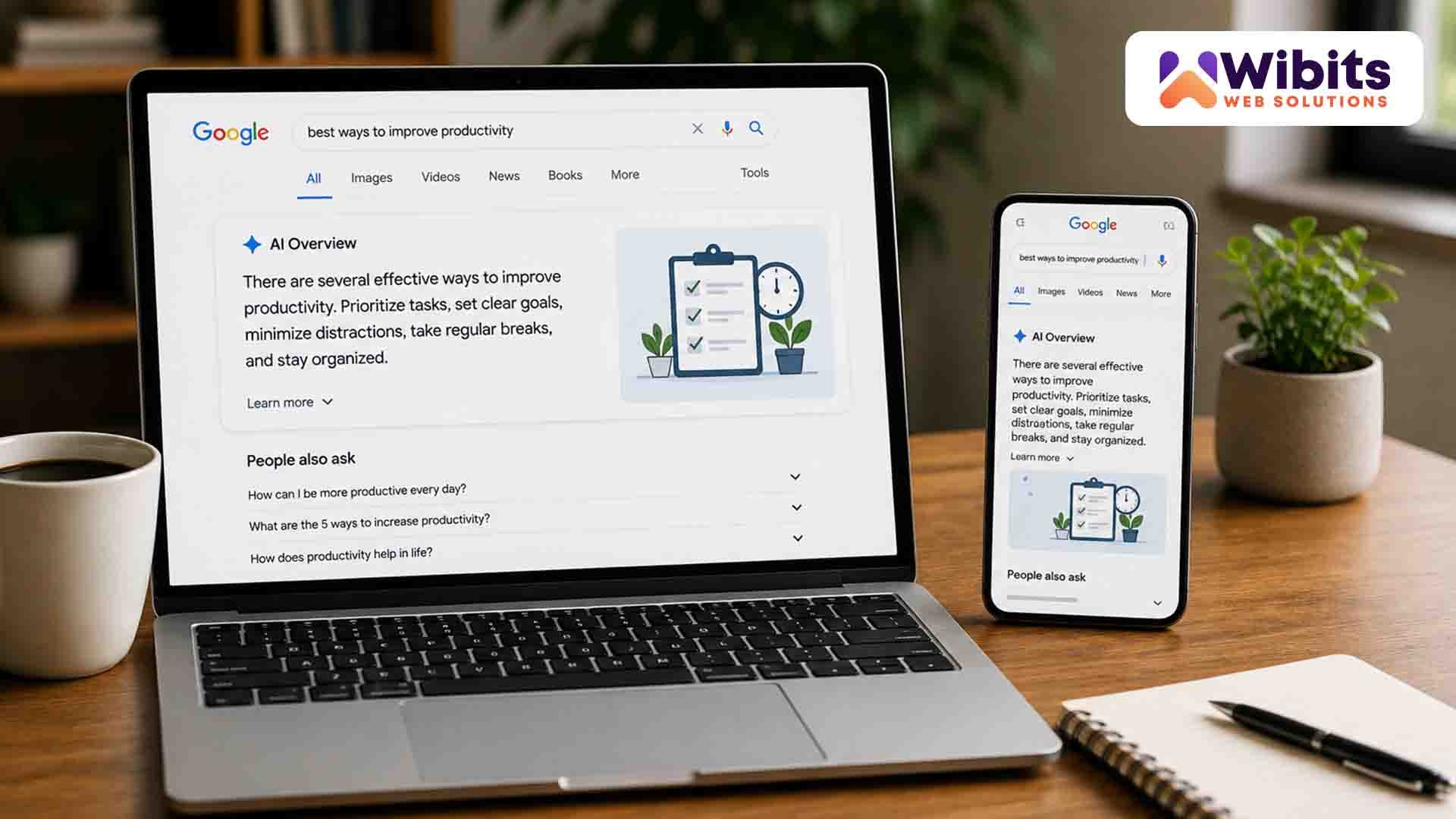
For years, the goal was pretty simple. Get your website onto Google. Get it near…

You wake up to an urgent notification, a harsh review, an old legal scrape, or…

Remember when building a decent website and tossing in a few keywords was enough to…