

Search no longer ends at ten blue links. Your customers now ask Google, ChatGPT, Gemini and Perplexity a question and get a written answer, often with only a few brands named in it. AI SEO is how you become one of those brands.
This guide explains what AI SEO means, how AI search engines choose their sources, and the exact steps to make your website visible in both classic search results and AI-generated answers.
AI SEO is the practice of optimizing your website and brand so they rank in search engines and get cited in AI-generated answers from tools like Google AI Overviews, ChatGPT, Gemini and Perplexity. It combines traditional SEO with structured data, entity optimization, clear quotable content and brand mentions across trusted sources.
The term is also used for a second idea: using AI tools to do SEO work faster. Both meanings are covered below.
When people say “AI SEO”, they usually mean one of two things. Mixing them up leads to the wrong strategy, so it helps to separate them.
This is about speed and scale. SEO teams use AI tools to handle work that used to take hours:
This is about a new destination. Instead of only ranking a page, you want AI systems to mention, cite and recommend your brand when they answer a question.
Here success is measured differently: how often you are cited, how often your brand is named, and your share of voice against competitors inside AI answers.
Both. AI-assisted SEO helps you produce better work faster. Optimizing for AI search makes sure that work is actually seen in the places your customers now look. The rest of this guide focuses mainly on the second meaning, because that is where most businesses are losing visibility today.
These terms overlap, and agencies often use them interchangeably. Here is how they differ in practice.
Traditional SEOAI SEOGEO (Generative Engine Optimization)AEO (Answer Engine Optimization)
| Main goal | Rank pages in search results | Be visible in both search results and AI answers | Be cited in AI-generated answers | Be the direct answer to a question |
| Where it shows | Google and Bing organic results | Google, AI Overviews, ChatGPT, Gemini, Perplexity | ChatGPT, Gemini, Perplexity, AI Overviews | Featured snippets, voice assistants, AI answers |
| Key signals | Keywords, backlinks, technical health | All of the above plus entities and brand mentions | Clear facts, authority, brand mentions across the web | Concise answers, question-based headings, schema |
| Success metric | Rankings, clicks, traffic | Traffic plus citations and share of voice | Citation rate, mention rate | Snippet wins, answer appearances |
| Content style | Keyword-targeted pages | Structured, quotable, expert content | Fact-dense, well-sourced content | Short question-and-answer blocks |
The simple way to think about it: AI SEO is the umbrella. GEO and AEO are specialist parts of it. Traditional SEO is still the foundation, because AI search engines pull heavily from pages that already rank well.
Each AI platform works a little differently, but most follow the same basic pattern. They understand the question, retrieve relevant pages from the web or an index, then write an answer and cite the sources they trusted most.
Google builds its AI answers on top of its own search index. Pages that already rank well, are crawlable and show strong expertise have a big advantage. Strong classic SEO is the entry ticket here.
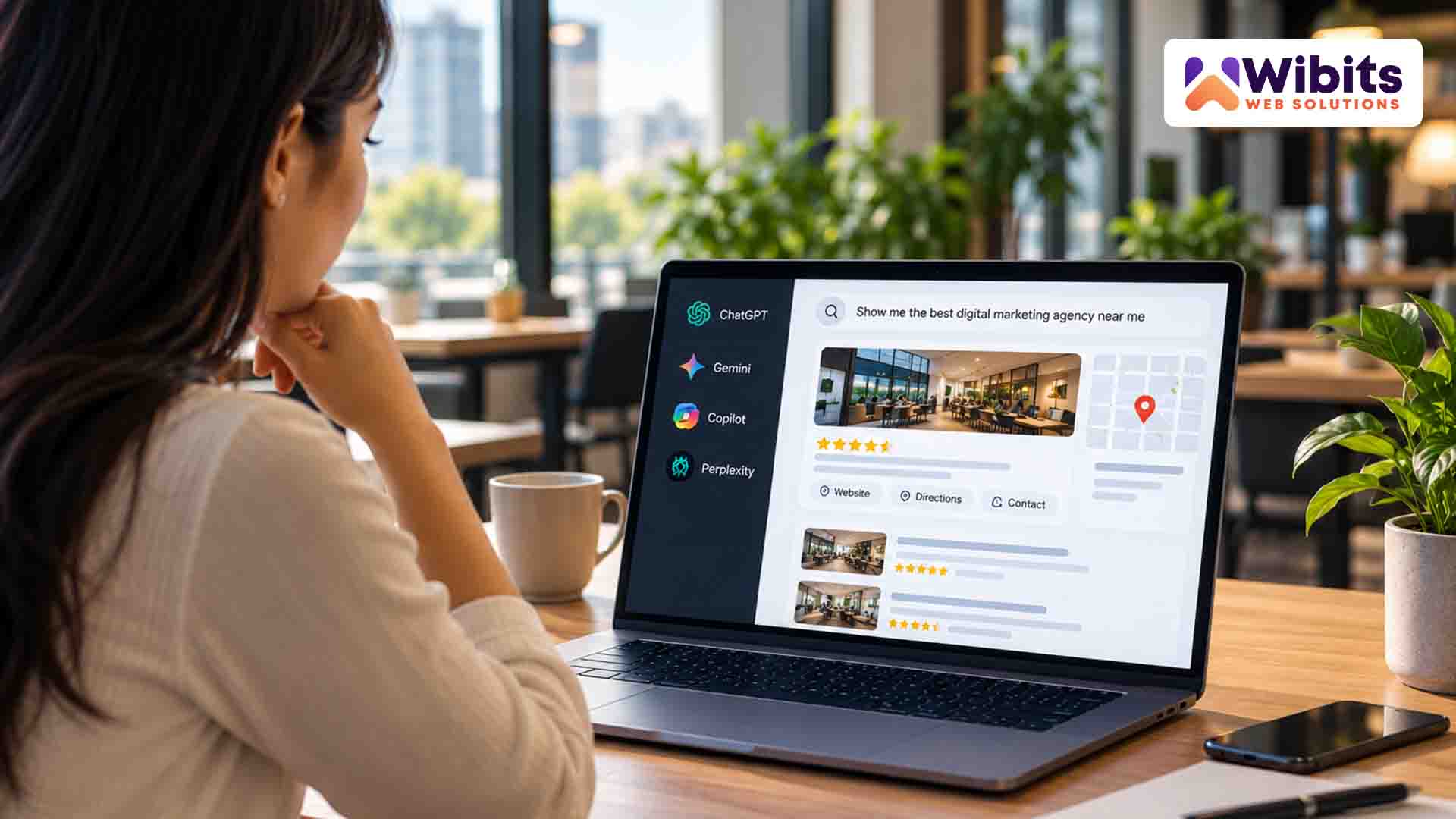
When ChatGPT searches the web, it pulls results from search partners and its own crawlers, then summarizes them. Brands that are mentioned often on trusted third-party sites, such as reviews, directories, forums and news, tend to appear more in its recommendations.
Perplexity is built around citations, and it shows numbered sources for almost every answer. It favors pages that are fresh, clearly structured and answer the question directly near the top.
Gemini draws on Google’s index and Knowledge Graph. Consistent entity information about your business, such as name, services, location and reviews, helps it understand who you are and when to mention you.
Every successful AI SEO strategy rests on five pillars. Weakness in any one of them limits how visible you can become.
AI systems can only cite what they can crawl and understand.
Schema markup tells machines exactly what a page is about and who is behind it.
AI tools lift sentences and facts from pages. Make yours easy to lift.
AI systems trust brands that the rest of the web talks about.
You can’t improve what you don’t track. AI visibility needs its own metrics alongside rankings and traffic. See the measurement section below.
Follow these steps in order. Each one builds on the last.
Ask ChatGPT, Gemini, Perplexity and Google the 20–30 questions your customers ask most. Note whether your brand appears, which competitors are named, and which pages are cited. This is your baseline.
Check robots.txt, page speed, indexing and rendering. If AI crawlers can’t reach your pages, nothing else matters.
AI searches are longer and phrased as questions. Expand your keyword list with “how”, “what”, “best”, “vs” and “for [audience]” versions of your core terms. Use People Also Ask, Reddit threads and your sales team’s most common questions.
On your most important service and product pages, add a direct definition or answer at the top, question-based subheadings, a comparison table and an FAQ section. Keep each answer short enough to quote.
Implement schema across the site, starting with Organization, Service or Product, FAQPage and Article. Test every page with Google’s Rich Results Test.
Create a cluster of in-depth articles around your main topic, each linking back to your core service page. AI engines prefer sources that cover a subject completely, not one thin page.
Aim for consistent mentions on review sites, directories, industry blogs, podcasts and forums. Third-party mentions are one of the strongest signals for being recommended in AI answers.
Re-run your AI visibility checks every month. Update pages that lose citations, add new data, and refresh dates on content you have genuinely improved.
Want this done for you? Our AI SEO services cover every step above, from the first AI visibility audit to monthly citation tracking.
Rankings alone no longer tell the full story. Track these metrics together.
| Metric | What it tells you | How to track it |
| AI citation rate | How often your pages are cited as a source in AI answers | Manual prompt checks or an AI visibility tool |
| Brand mention rate | How often your brand is named, with or without a link | Same prompt set, tracked monthly |
| Share of voice | Your mentions compared with competitors for the same prompts | AI visibility tool or a simple spreadsheet |
| AI Overview appearances | Which of your target keywords show an AI Overview citing you | SEO rank trackers with AI Overview tracking |
| AI referral traffic | Visits from chatgpt.com, perplexity.ai, gemini.google.com and similar | Google Analytics 4 referral reports |
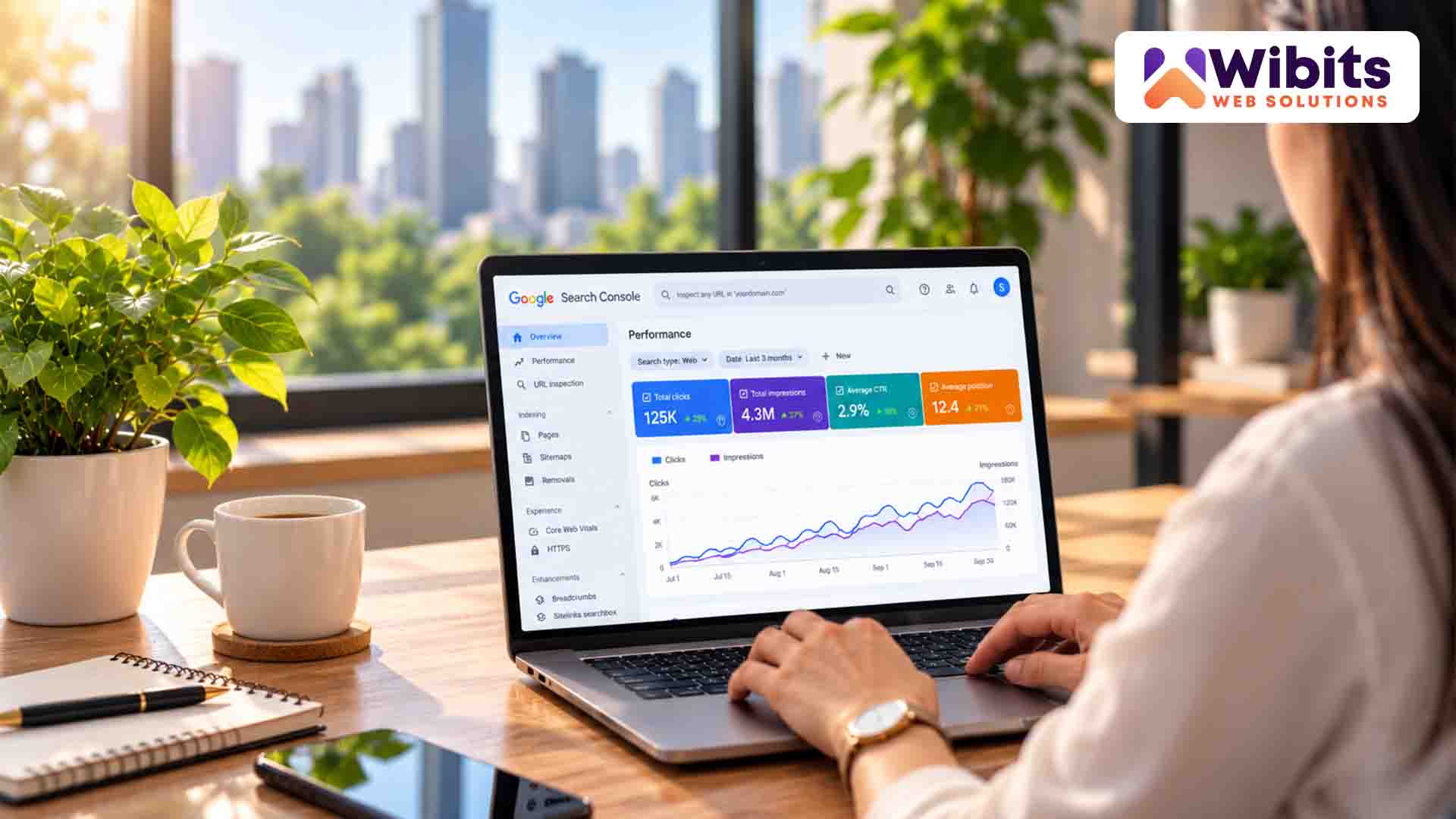
| Organic rankings and clicks | Your classic SEO foundation | Google Search Console |
| Branded search volume | Whether AI exposure is driving people to search for you by name | Google Search Console, Google Trends |
Tip: Keep a fixed list of 30–50 prompts and test them on the same day each month. Consistency matters more than volume, because AI answers vary from one run to the next.
You don’t need every tool. Pick one per task that fits your budget.
| Task | Example tools |
| Keyword and question research | Semrush, Ahrefs, AnswerThePublic, Google’s People Also Ask |
| Content briefs and optimization | Surfer, Clearscope, Frase |
| Drafting and editing support | ChatGPT, Claude, Gemini |
| Technical audits | Screaming Frog, Sitebulb, Google Search Console |
| Schema creation and testing | Schema.org, Google Rich Results Test, Schema Markup Validator |
| AI visibility and citation tracking | Semrush AI Toolkit, Ahrefs Brand Radar, Profound, Otterly.AI |
| Analytics | Google Analytics 4, Google Search Console |
A word of caution: AI writing tools are great for speed, but publishing unedited AI content rarely earns citations. AI engines look for original insight, which still has to come from people with real experience.
Industry: Healthcare Compliance & Overseas Recruitment Facilitation
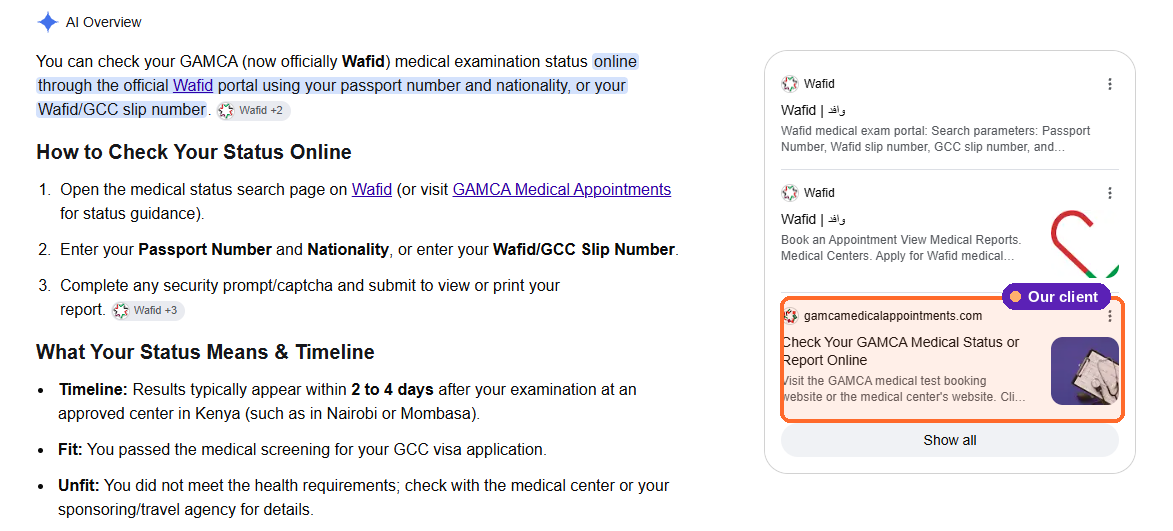
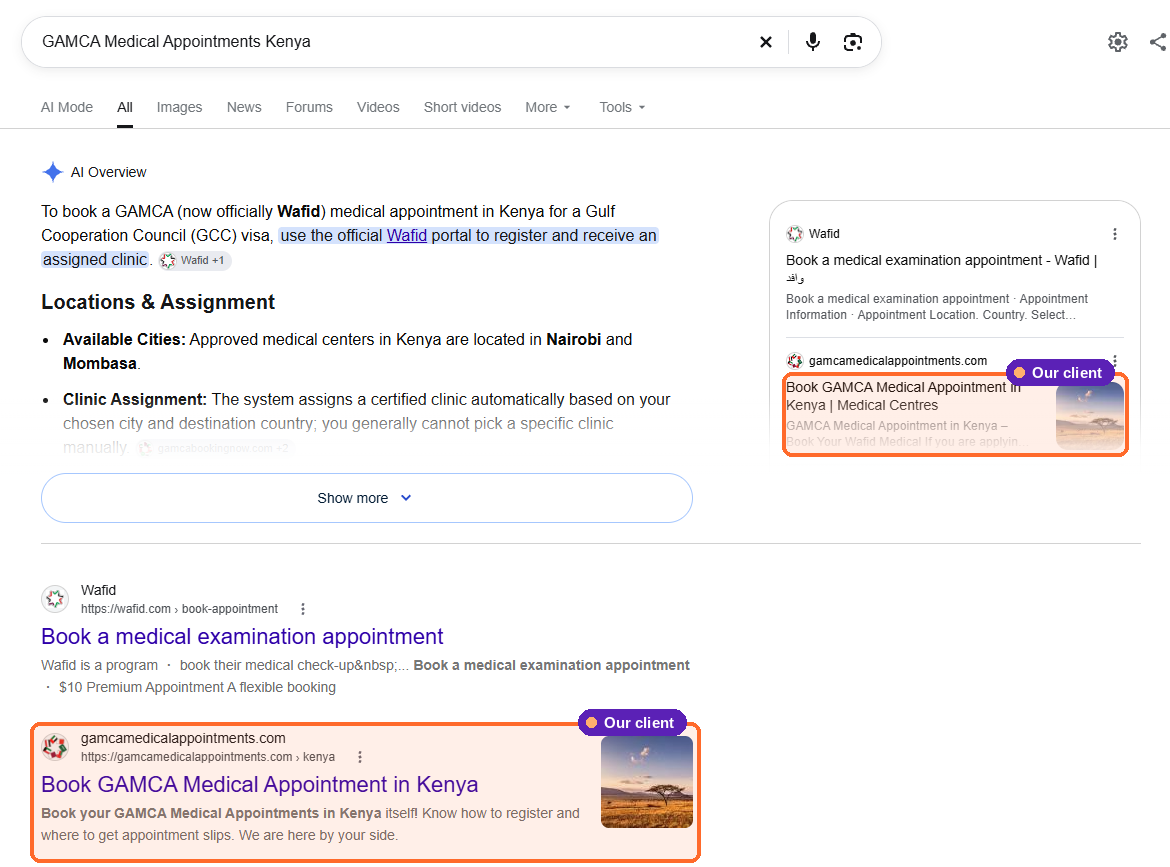
Challenge: Despite top Google rankings for GAMCA medical appointments, the site was invisible on ChatGPT and Perplexity, which cited outdated forums.
| Metric | Before AI SEO | After 90 Days | Impact |
| AI Prompt Share of Voice (40 Prompts) | 2.5% (1/40) | 67.5% (27/40) | +65% visibility |
| Primary Citation Rate (Perplexity & AI Overviews) | 0% | 52% | Top-cited source for procedural queries |
| Monthly Referral Traffic from AI Platforms | ~320 sessions | 4,850+ sessions | +1,415% growth |
| Completed Slip Bookings via AI Referrals | 18 / month | 410+ / month | +42% overall conversion lift |
Industry: B2B IT Services, Digital Transformation & IT Staffing
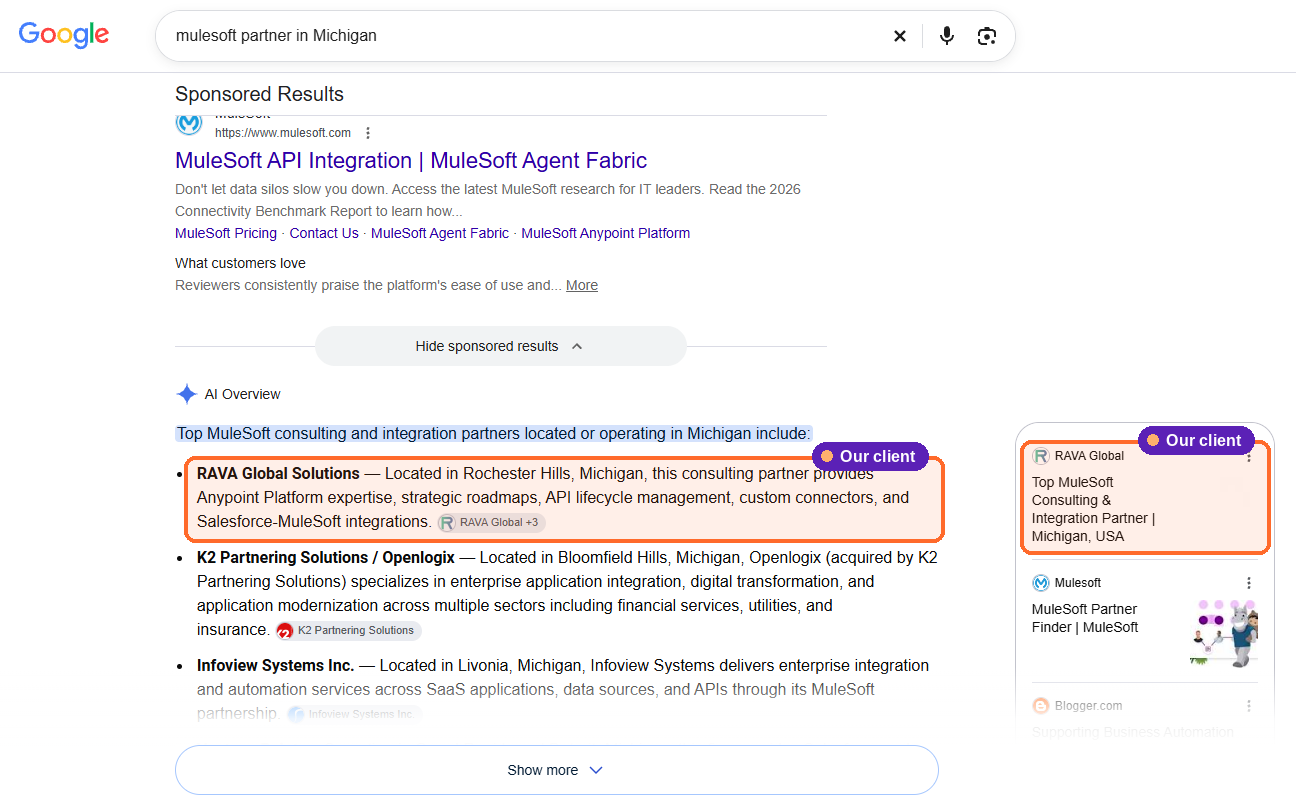
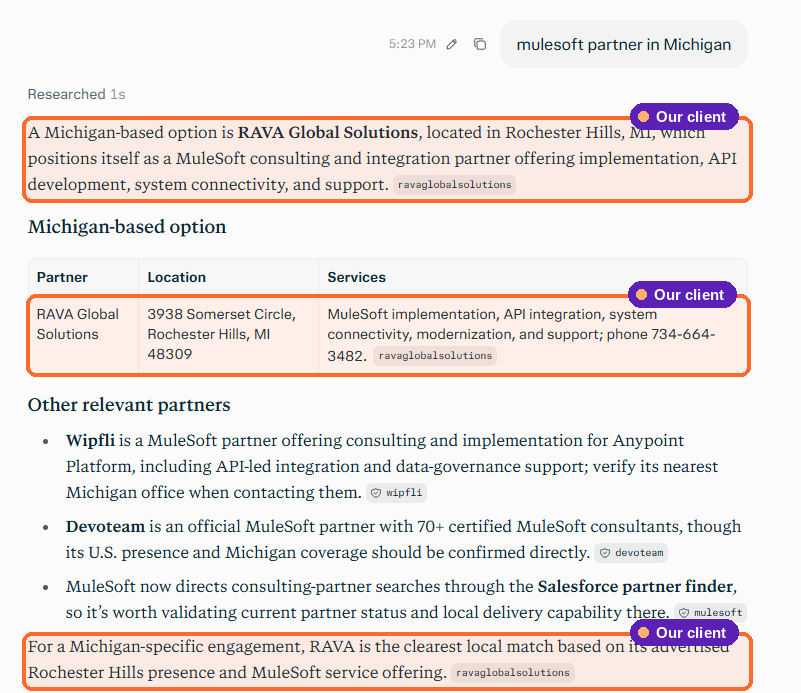
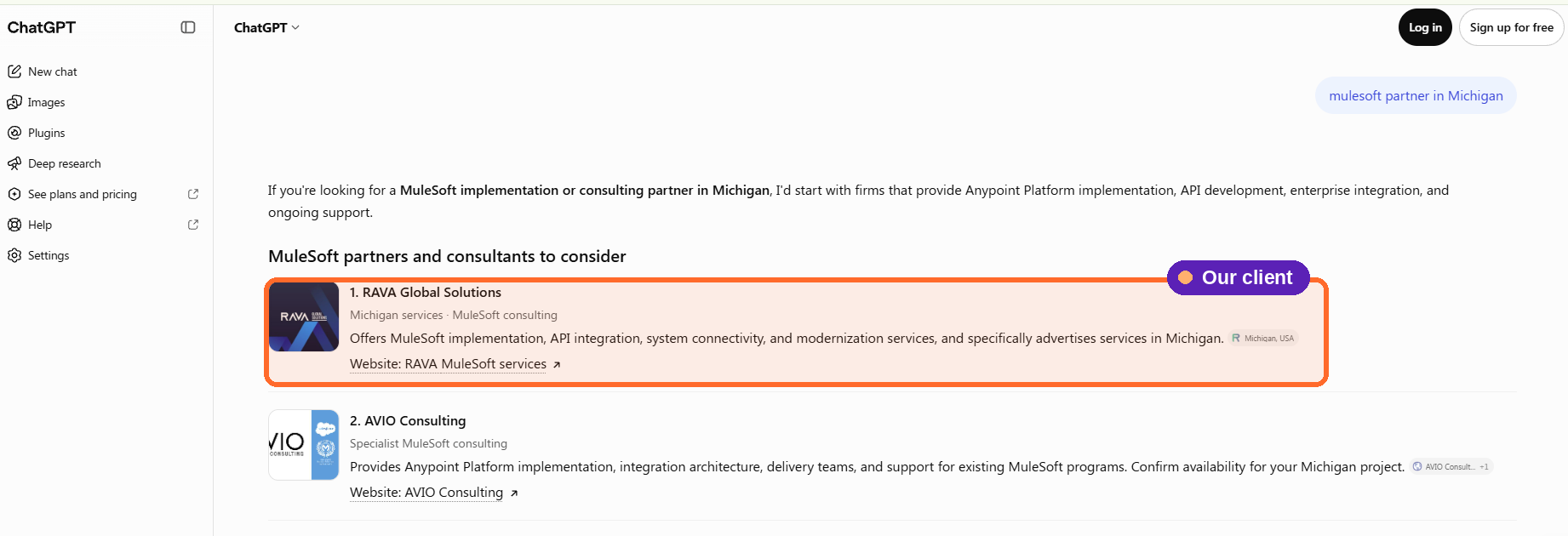
Challenge: While ranking high on Google for IT consulting and automation, RAVA Global Solutions was absent on ChatGPT and Perplexity, losing recommendations to bigger firms.
| Metric | Before AI SEO | After 90 Days | Impact |
| AI Prompt Share of Voice (40 Prompts) | 2.5% (1/40) | 65.0% (26/40) | +62.5% visibility |
| Primary Citation Rate (Perplexity & AI Overviews) | 0% | 48% | Top-cited vendor for regional & niche queries |
| Monthly Referral Traffic from AI Platforms | ~190 sessions | 2,640+ sessions | +1,289% growth |
| Qualified Discovery Calls via AI Referrals | 4 / month | 31+ / month | +38% overall pipeline lift |
AI SEO stands for artificial intelligence search engine optimization. It means optimizing for AI-powered search experiences, and also using AI tools to improve SEO work.
Yes, but it builds on it. Regular SEO aims to rank pages. AI SEO also aims to get your brand cited and recommended inside AI-generated answers, which adds entity optimization, quotable content and off-site brand mentions.
No. AI search engines rely on the same web pages that SEO optimizes. What has changed is that ranking is no longer enough on its own. You also need to be the source AI systems choose to quote.
Make sure your site is crawlable, answer common customer questions clearly, add structured data, and build mentions of your brand on trusted third-party sites such as reviews, directories, forums and industry media.
GEO (Generative Engine Optimization) focuses only on being cited in AI-generated answers. AI SEO is the broader term that covers GEO, AEO and the traditional SEO that supports them.
Google doesn’t penalize content just because AI helped create it. It rewards helpful, original content. Content that is mass-produced with no human expertise or editing usually performs poorly in both Google and AI answers.
Technical and on-page fixes can show early results in 4–6 weeks. Building enough authority to be consistently cited in AI answers usually takes 3–6 months, depending on your competition.
Yes. Many customers now ask AI tools for local and niche recommendations, such as “best accountant near me” or “which CRM for a small team”. Small businesses with clear, consistent information and good reviews can win those answers.
AI search is already changing which businesses customers find first. The brands that adapt now will be the ones AI tools recommend for years to come.
Wibits helps businesses rank in Google and get cited in AI Overviews, ChatGPT, Gemini and Perplexity. Get a free AI SEO audit to see where your brand stands today and what it will take to win AI answers in your industry.

Search no longer ends at ten blue links. Your customers now ask Google, ChatGPT, Gemini…

Google began rolling out the November 2026 core update on November 10, 2026. It is…

Let's say you own a digital marketing company in Nagercoil. Your website is doing reasonably…

Google has a new system called SAFE, and it has caught the attention of people…
Think about the last time you searched for something online. Most of the time, you…

The internet search methods have changed. Now rather than accessing tens of sites one would…

A small business already has plenty on its plate. Then it has to compete online…
A potential customer opens ChatGPT and asks, “Who are the best companies for SEO in…

For years, website owners have focused on one big question: Can Google find my website?…

Think about the websites you visit without even thinking twice. Maybe there's a technology site…