


You wake up to an urgent notification, a harsh review, an old legal scrape, or an unflattering article is sitting right at the top of Google for your brand’s name and your prospective customers are seeing it first. Can you actually scrub a harsh news write-up off Google search results? What about a picture of you from a past run in with the law, a list that has your home address on it or a conversation online where people are saying things about your company? The thing is, each of these problems has its way of working. If you try to deal with all of them in the way, you will waste a lot of time and money and not get the result you want. Whether you are taking care of your company’s reputation on your own or working with a digital marketing company in India, you need to know how what people think of you online affects how they search for you. Let us look at how you can figure out what is going on, stop negative content people are saying and make them go away before AI start talking about them and turn a small problem into a big one that never goes away.
For a long time, reputation management was simple math: push bad links down to page two or three where nobody looks, and your job is done.
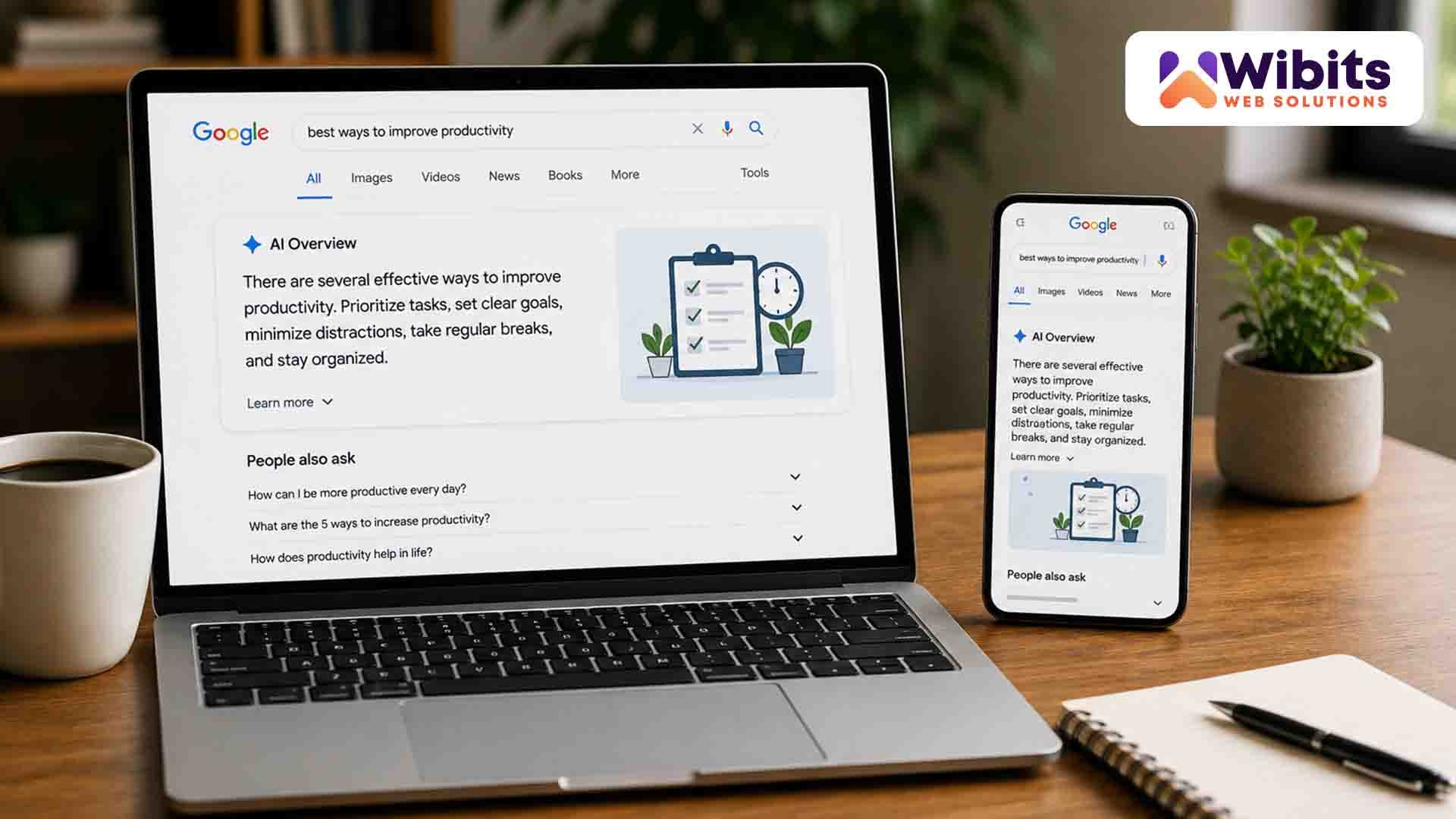
Today, that playbook is broken. Search engines no longer just provide blue links; they synthesize answers directly on the page. AI summaries and conversational assistants now pull information dynamically from various corners of the web.
The Stakes: When an AI summary dominates the top of a search page, users rarely scroll down to traditional results. If a negative review, forum post, or old archive is captured by that AI model, its position on the page matters very little. It becomes the definitive answer.
Also read: Why Great Content Alone Won’t Win in AI Search Anymore
Before spending a single dollar or changing a line of copy, you need to categorize the negative content. Mismatching the objective is the number one reason reputation campaigns fail.
Run every URL through these three checks before you do anything about it.
Tackling a press story needs a careful approach. Google never remove a real news article just because you ask them to. Instead you need to talk with the source or deal with the bigger picture.
Dealing with public arrest records and mugshot platforms was really tough.. Things have changed a lot. Now the law is more on the side of individuals. This is especially true when charges are dropped or dismissed.
Home addresses, phone numbers, and relatives’ names are aggressively cataloged by data brokers. Fortunately, this category is the systematically solvable. Hundreds of data brokers operate online. Privacy regulations and state-level registries now provide streamlined opt-out mechanisms. Major search engines also offer direct privacy tools that allow users to request the removal of exposed phone numbers, physical addresses and sensitive government identification numbers from search results.
Important Note: Data broker cleanup is never a one-and-done project. Brokers continuously refresh their datasets from registries meaning listings often reappear weeks or months later. Treat this work as digital maintenance rather, than a one-time fix.
To help you visualize where to invest your time and resources, use this quick reference table:
| Content Type | Primary Solution | Difficulty Level | Impact on AI Search |
| Data Broker Profiles | Bulk opt-outs & privacy tools | Moderate (Requires Maintenance) | High if left unaddressed |
| Mugshots & Expungements | Legal compliance notices | Low to Moderate | High (Extremely effective when backed by paperwork) |
| News Articles | Editorial corrections or unpublishing | High | Moderate to High (Depends on syndication reach) |
| Forum & Reddit Threads | Platform policy reports & moderation | Moderate | Very High (Frequently scraped by AI models) |
Reddit and other discussion forums are getting really big fast. This is a big problem for companies and important people. Reddit does not usually remove a conversation just because people are saying things.
But if someone posts something that breaks the rules of the community, shares information or is being mean on purpose, you can tell the people in charge of Reddit about it. You should also see if people have already taken pictures of the things that were said or written them down and put them on other websites. If they have already shared these things everywhere, then just getting the original conversation closed will not make the problem go away.
If you have a business in your town or a store that is getting bigger and you want some help with the technical side of things, you can work with a good digital marketing company in Nagercoil. They can help you make sure your business is listed online, build a strong brand that people can trust and keep your business safe from people seeing things about you that you do not want them to see.
1. How long does the entire content removal process take?
Timelines vary wildly based on the nature of the asset. Data broker opt-outs can be processed within days or weeks, whereas publisher unpublishing reviews take longer. Legal actions, clearing records and full removal plans are usually checked over months.
2. Should I try to remove things myself or hire someone who’s a professional?
You can do things like telling data brokers to remove your information or reporting bad things on a platform if you have some free time. Things like this are pretty easy to handle by yourself. However things that are more complicated like getting something removed from your record or saying someone is lying about you or dealing with a lot of websites that have the information are better handled by a professional. This is because professionals can help you avoid making mistakes that can cost you a lot of money.
3. Can removed negative content ever come back online?
Yes. Yes. These databases that store our information are always updating what they have. This means that old information can come back up again. Sometimes old versions of web pages can still be found even after the original page is gone. We need to check these databases often to find out when old information comes up. This is important because it helps us catch these problems early with the data broker databases and the old information they have.
4. Is traditional content suppression still worth implementing?
Absolutely. When content is legally public, truthful, or published by untouchable government and major media bodies, removal is impossible. Suppression remains the most viable fallback strategy to ensure positive, authoritative assets overshadow unfavorable listings on search engine result pages.

Google has a new system called SAFE, and it has caught the attention of people…

Think about the last time you searched for something online. Most of the time, you…

The internet search methods have changed. Now rather than accessing tens of sites one would…

A small business already has plenty on its plate. Then it has to compete online…

A potential customer opens ChatGPT and asks, “Who are the best companies for SEO in…

For years, website owners have focused on one big question: Can Google find my website?…

Think about the websites you visit without even thinking twice. Maybe there's a technology site…
For years, the goal was pretty simple. Get your website onto Google. Get it near…
You wake up to an urgent notification, a harsh review, an old legal scrape, or…

Remember when building a decent website and tossing in a few keywords was enough to…