


For decades, digital marketing has been divided into two camps: SEO (Search Engine Optimization) and PPC (Pay-Per-Click). SEO was the “free” organic long game; PPC was the “paid” instant-results machine.
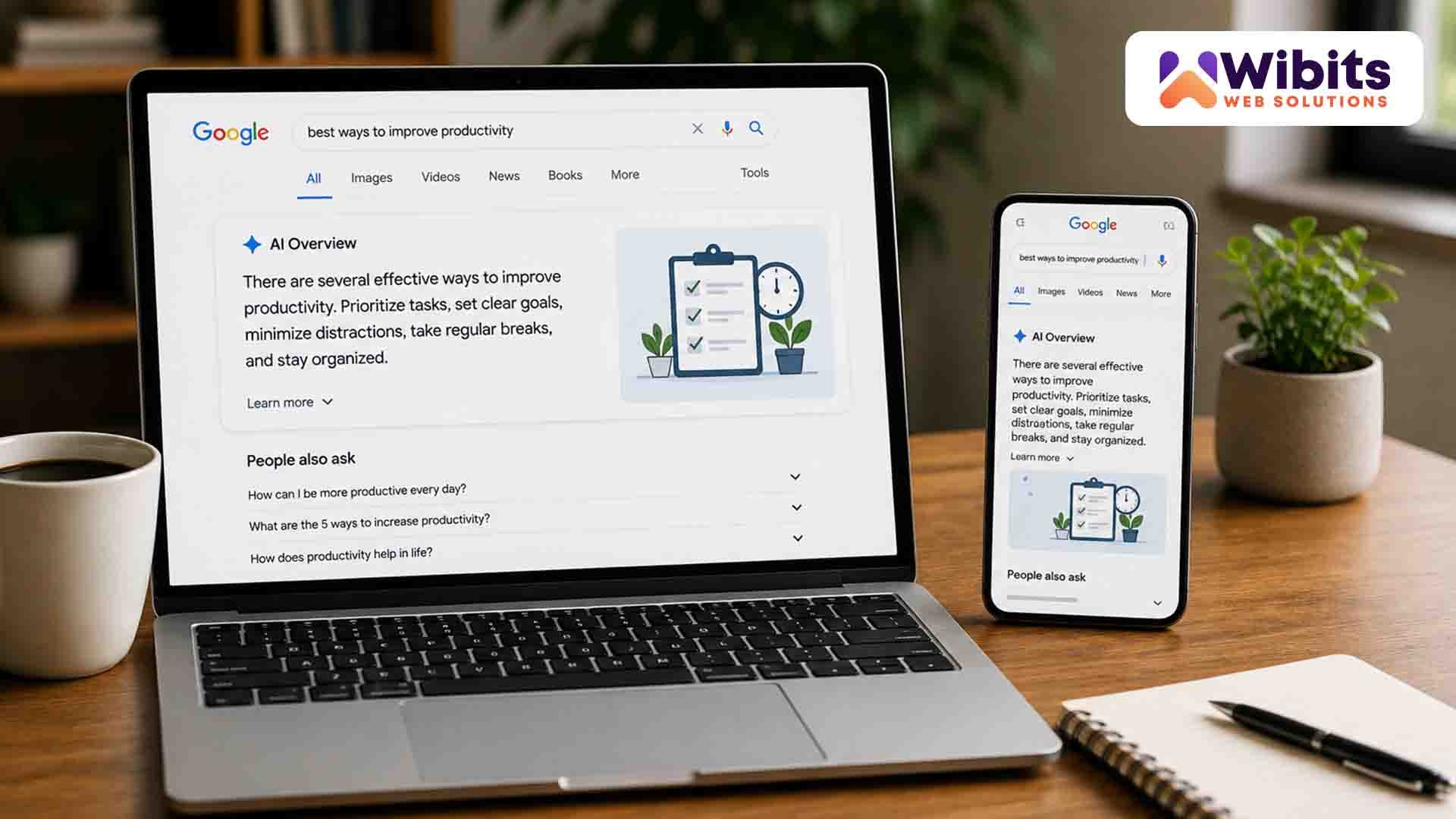
As we enter 2026, those silos are crumbling. With the rise of Generative AI search engines like ChatGPT, Perplexity, and Google’s AI Overviews, the way information is gathered has fundamentally changed. AI doesn’t just look at links; it synthesizes the entire web to provide a single answer. If your paid ads and your organic content aren’t perfectly aligned, you aren’t just losing clicks, you’re becoming invisible to the AI models that now guide consumer decisions.
To win today, you need Search Synergy. Here is the complete guide to mastering it, backed by data and modern strategy.
In the past, a user would type “sell my house fast” and see a list of results. Today, they ask an AI assistant: “Find me a reliable company that buys houses for cash in Dallas with no hidden fees.”
The AI then crawls the web in seconds. It looks at your PPC landing pages, your organic blog posts, and your Google Business Profile. If your PPC ad promises “No Fees” but your organic FAQ mentions a “Processing Charge,” the AI detects a conflict. It marks your brand as “low-confidence” and leaves you out of the answer.
When you coordinate your SEO and PPC, you create what marketers call a “Double Signal.” This tells the AI model that your brand is an authority.
SEO takes months to show results. PPC takes minutes. Use your paid ads as a laboratory. Run three different headlines for one week:
Headline A: “Sell Your House in 7 Days”
Headline B: “Get a Fair Cash Offer Today”
Headline C: “No Repairs Needed – Cash for Homes”
If Headline C gets the highest click-through rate, don’t just leave it in the ad. Immediately update your website’s H1 tags and Meta Descriptions with that language. You are essentially using PPC data to “tell” the SEO side what the market (and the AI) is currently responding to.
AI models like GPT-4o and Google’s Gemini are essentially massive pattern-recognition engines. They love “Structured Data” (Schema). This is the behind-the-scenes code that tells an AI, “This number is a price,” or “This text is a customer review.”
In 2026, your PPC “Ad Assets” (like sitelinks and callouts) should be a mirror image of your website’s Schema markup.
The Goal: When an AI “scrapes” your site, it should see the exact same facts, figures, and FAQs that appear in your paid ads.
The Result: This increases your Entity Authority score. The more consistent your data is across paid and organic channels, the more likely the AI is to use your site as its primary source for an answer.
Even in an AI world, visual real estate matters. If you rank #1 organically and also run the #1 paid ad for the same keyword, you dominate the screen.
No SEO strategy is perfect. There will always be “gap” keywords, terms that are highly valuable but where your website doesn’t rank on Page 1 yet.
Imagine a real estate company, X.com, trying to target the keyword “companies that buy houses for cash.”
The Old Way: The SEO team writes a 2,000-word blog post. The PPC team creates a landing page with a form. They never speak.
The Synergy Way: The PPC team finds that users are specifically searching for “as-is condition.” They share this with the SEO team, who adds a “Selling As-Is” FAQ section to the main blog. The PPC team then adds an FAQ extension to the ad using that same content.
The Outcome: An AI search engine sees the consistent “As-Is” messaging across both channels and generates a summary saying: “X.com is a top-rated company for selling houses in as-is condition.”
Does running PPC ads directly help my SEO rankings?
No, Google does not give you a higher organic rank just because you spend money on ads. However, PPC increases brand awareness. When more people search for your brand by name organically, that sends a massive “authority signal” to the search engine.
Should I bid on keywords that I already rank #1 for?
Yes. This is called “Brand Defense.” It prevents competitors from bidding on your name and stealing your traffic. Additionally, it allows you to control the messaging the user sees first.
How does AI search change keyword research?
We are moving away from “short-tail” keywords (e.g., “cash homes”) toward “long-tail” conversational queries (e.g., “how to sell my house fast for cash without a realtor”). Synergy involves using PPC to find which of these long questions lead to actual sales.
What is the biggest mistake in SEO/PPC synergy?
Using different landing pages for each. While PPC pages should be optimized for conversion, they should still be “readable” by SEO crawlers so the AI can verify the information is consistent with the rest of your site.
Mastering the intersection of AI search, SEO, and PPC is complex, but you don’t have to do it alone. At Wibits.com, we specialize in unified digital marketing strategies that ensure your brand doesn’t just appear in search results, it dominates them. Whether you need high-intent lead generation or advanced AI search optimization, our team is ready to scale your growth.
Ready to dominate the search landscape? Contact Us today to start your free strategy audit.

Let's say you own a digital marketing company in Nagercoil. Your website is doing reasonably…
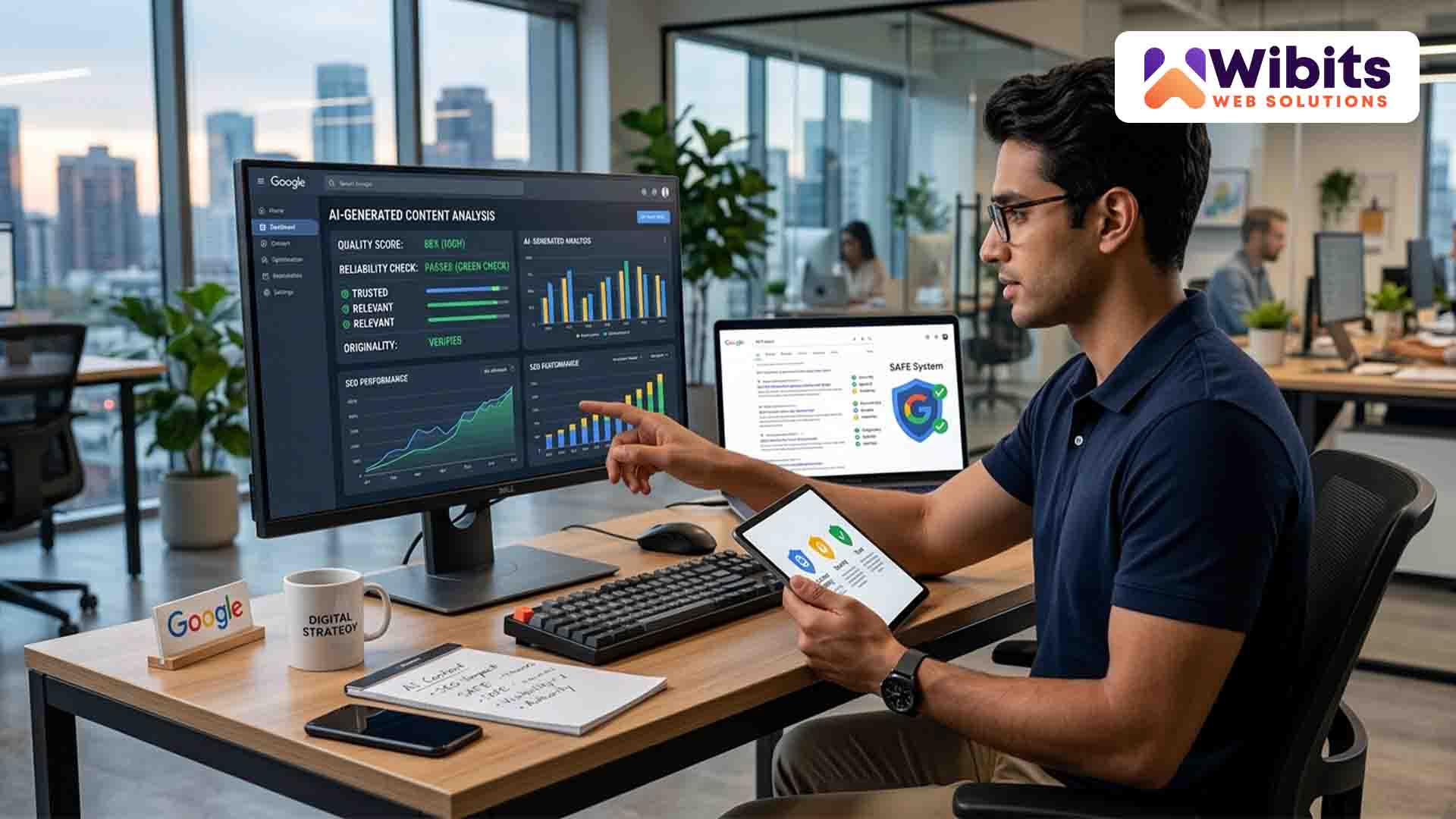
Google has a new system called SAFE, and it has caught the attention of people…
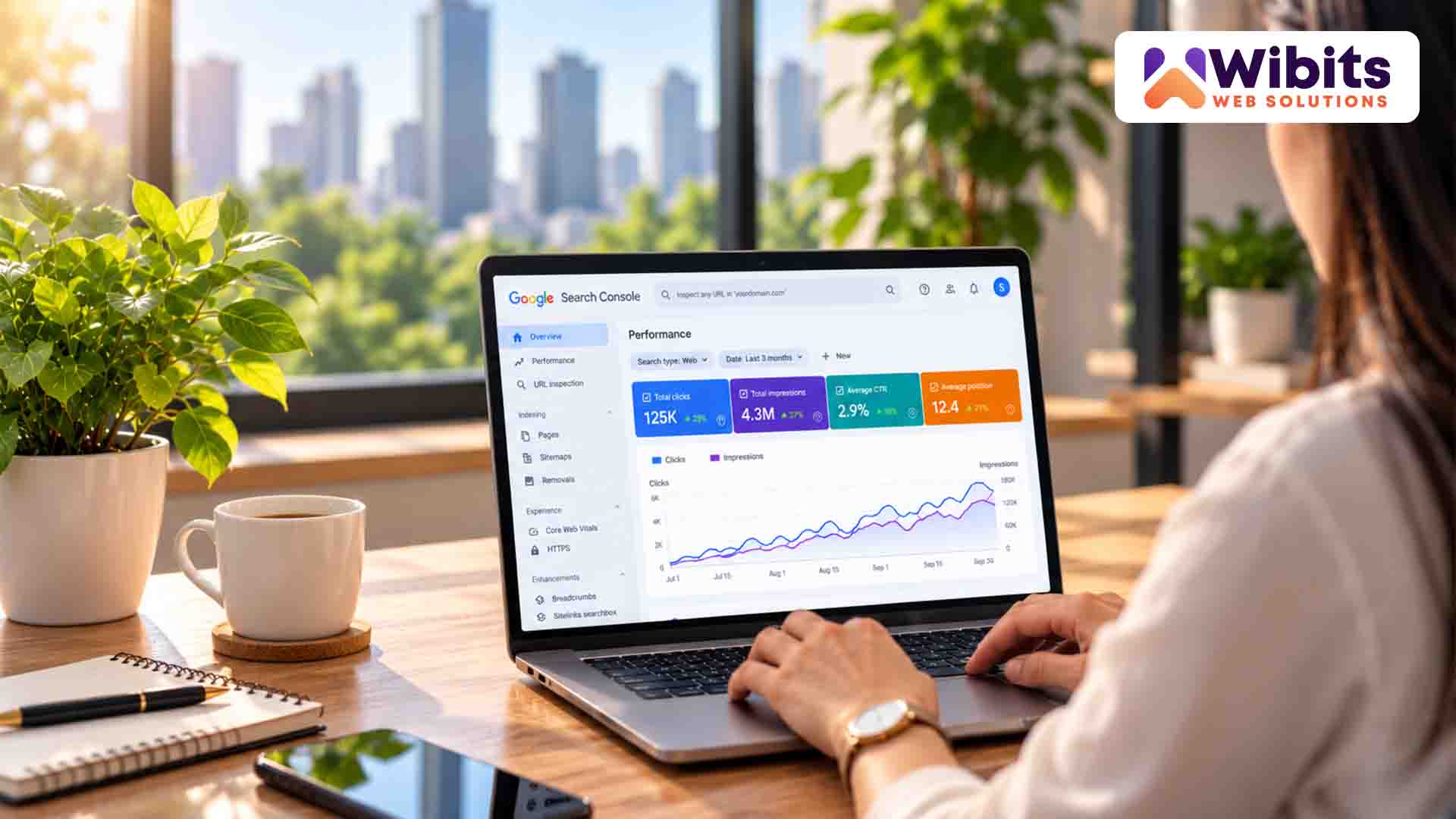
Think about the last time you searched for something online. Most of the time, you…
The internet search methods have changed. Now rather than accessing tens of sites one would…

A small business already has plenty on its plate. Then it has to compete online…
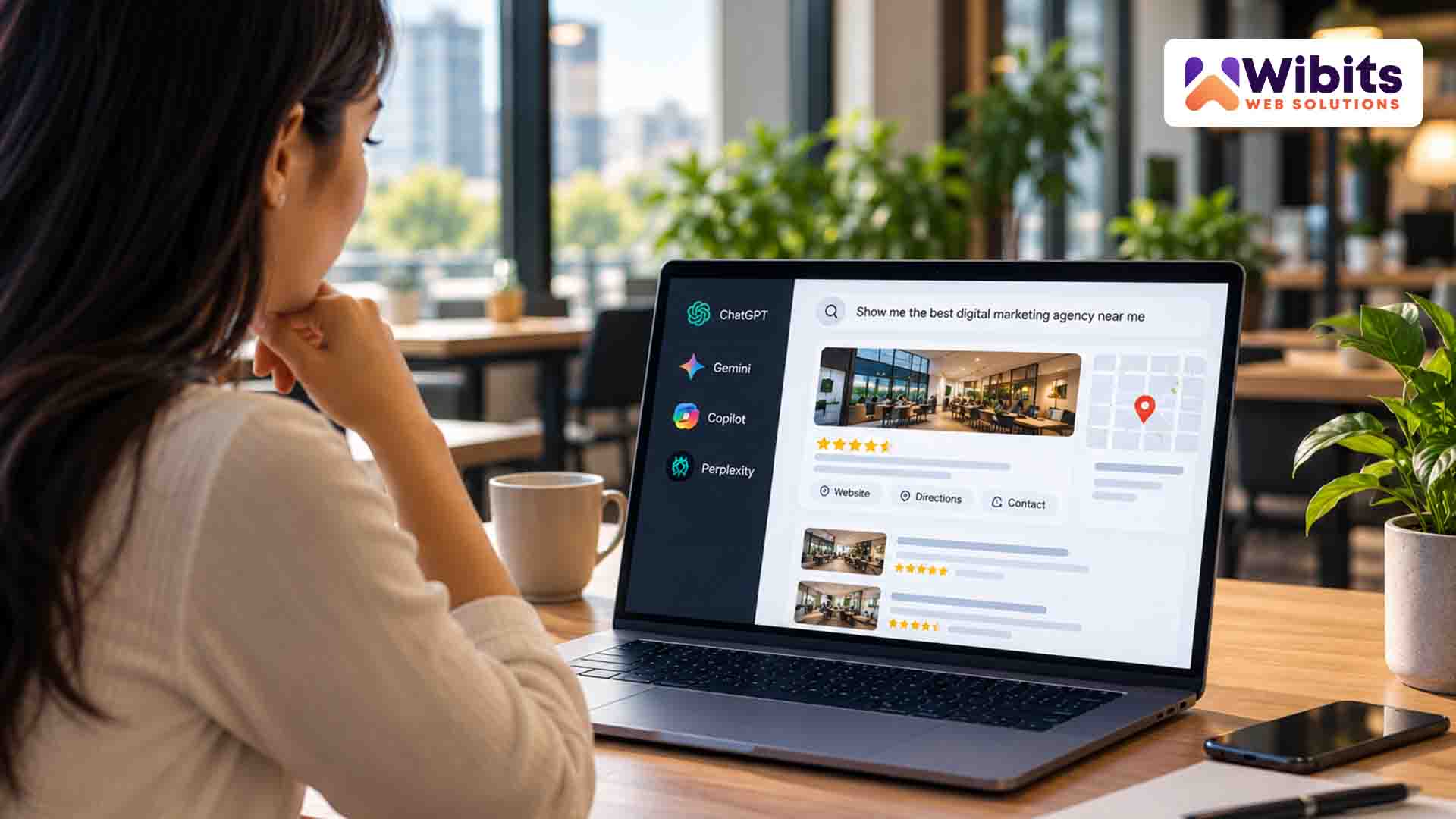
A potential customer opens ChatGPT and asks, “Who are the best companies for SEO in…

For years, website owners have focused on one big question: Can Google find my website?…

Think about the websites you visit without even thinking twice. Maybe there's a technology site…
For years, the goal was pretty simple. Get your website onto Google. Get it near…

You wake up to an urgent notification, a harsh review, an old legal scrape, or…